

Dispute Resolution in the Telecom & Media Sector
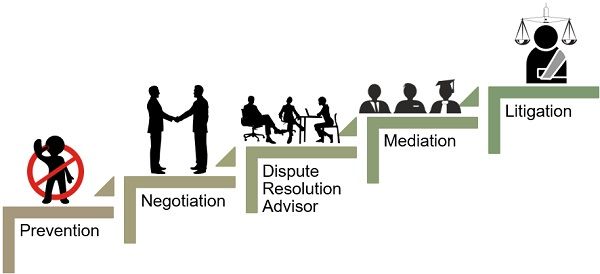
Dispute Resolution in the Telecom & Media Sector Disputes in the telecommunications and media sectors can arise between operators, broadcasters, OTT platforms, consumers, or regulators. Common disputes relate to interconnection fees, infrastructure access, content rights, contractual breaches, advertising, and regulatory enforcement actions. Dispute resolution mechanisms may be administrative, judicial, or arbitration-based depending on the nature of the dispute and relevant agreements. Types of Sector Disputes Interconnection and infrastructure access disputes Spectrum usage or interference disputes Content licensing and intellectual property disputes Regulatory fines and enforcement challenges Consumer claims and QoS complaints CMC Compliance Comply with regulatory orders and timelines Participate in mediation or resolution processes Provide documentation upon supervisory request Implement corrective actions when mandated How Etihad Can Assist Etihad provides legal and regulatory advisory services to banks, financial institutions, and businesses, supporting compliance with applicable laws, regulations, and regulatory guidance issued by any competent authorities.
Foreign Investor Participation in the Telecommunications Sector

Foreign Investor Participation in the Telecommunications Sector The Iraqi telecommunications and media sector attracts interest from regional and international investors. Foreign participation may take the form of direct investment, joint ventures, strategic partnerships, or technology transfer arrangements. However, foreign investors must navigate licensing, ownership restrictions, national security considerations, and regulatory approvals from the Communications and Media Commission (CMC) and other governmental bodies. Considerations for Foreign Investors Licensing and authorization pathways Ownership and control restrictions Local partner requirements (if applicable) Regulatory approvals for mergers/acquisitions Technology transfer and localization expectations CMC Compliance Disclose ownership and beneficial control structures Demonstrate financial and technical capacity Localize parts of infrastructure or data hosting Obtain security clearances for certain activities How Etihad Can Assist Etihad provides legal and regulatory advisory services to banks, financial institutions, and businesses, supporting compliance with applicable laws, regulations, and regulatory guidance issued by any competent authorities.
Numbering, Interconnection & Infrastructure Sharing

Numbering, Interconnection & Infrastructure Sharing Numbering plans, interconnection arrangements, and infrastructure sharing are essential for promoting competition and enabling seamless communication among operators. The CMC allocates numbering ranges, regulates interconnection agreements between carriers, and may mandate infrastructure sharing to reduce duplication and support efficient market entry. Regulatory Elements Allocation of phone numbering resources Interconnection rate negotiation and approval Infrastructure sharing for towers and ducts Access to essential network facilitie CMC Compliance Request numbering resources in accordance with guidelines Negotiate interconnection agreements in good faith Submit agreements for regulatory review (where required) Support infrastructure sharing when mandated How Etihad Can Assist Etihad provides legal and regulatory advisory services to banks, financial institutions, and businesses, supporting compliance with applicable laws, regulations, and regulatory guidance issued by any competent authorities.
Consumer Protection & Quality of Service (QoS) Standards

Consumer Protection & Quality of Service (QoS) Standards The CMC enforces consumer protection and quality-of-service (QoS) standards to ensure fair access, transparency, and acceptable service performance in telecom and media markets. Operators must provide accurate service information, disclose pricing, address complaints, and maintain network quality metrics. Compliance supports user trust and reduces regulatory disputes. Consumer Protection Requirements Transparent pricing and billing disclosures Accessible complaint handling systems Fair contractual terms for consumers Quality of Service (QoS) Standards Coverage and network availability Minimum bandwidth and latency thresholds Service continuity and uptime standards Fault response times CMC Compliance Submit QoS performance measurements Respond to complaints and service issues Cooperate with monitoring and testing initiatives Implement corrective actions when required How Etihad Can Assist Etihad provides legal and regulatory advisory services to banks, financial institutions, and businesses, supporting compliance with applicable laws, regulations, and regulatory guidance issued by any competent authorities.
Cybersecurity & Network Resilience Requirements

Cybersecurity & Network Resilience Requirements Telecom and media networks are critical infrastructure in Iraq. The CMC places emphasis on cybersecurity controls to ensure the resilience of communication networks, protection of subscriber data, and continuity of national services. With increased migration toward cloud, VoIP, and digital broadcasting technologies, operators must adopt cybersecurity frameworks consistent with global telecom standards. Cybersecurity Requirements Network security architecture design Access control and authentication mechanisms Encryption of sensitive communications Monitoring and detection of cyber threats Incident reporting protocols and recovery plans CMC Compliance Implement cybersecurity policies and governance Conduct vulnerability assessments and tests Report material breaches or outages Maintain continuity and disaster recovery plans Cooperate with national cybersecurity initiatives How Etihad Can Assist Etihad provides legal and regulatory advisory services to banks, financial institutions, and businesses, supporting compliance with applicable laws, regulations, and regulatory guidance issued by any competent authorities.
Platform Regulation: OTT, Streaming & Digital Media Services

Platform Regulation: OTT, Streaming & Digital Media Services Over-the-top (OTT) platforms, streaming services, and digital media providers are increasingly relevant in Iraq’s media consumption landscape. While traditional broadcasting is heavily licensed, OTT platforms operate in a hybrid regulatory environment where content, advertising, and consumer protection standards still apply. The CMC monitors OTT platforms for compliance with national content rules, data rights, advertising standards, and public interest considerations. Obligations for Digital Media Operators Compliance with content distribution rules Advertising and sponsorship transparency User data protection and privacy compliance Reporting obligations upon request Cooperation with takedown or content review orders CMC Compliance Register operations or notify regulators Adhere to local content and cultural standards Provide access for regulatory monitoring Maintain consumer-facing complaint resolution channels How Etihad Can Assist Etihad provides legal and regulatory advisory services to banks, financial institutions, and businesses, supporting compliance with applicable laws, regulations, and regulatory guidance issued by any competent authorities.
Registration & License of Broadcasting Entities (TV & Radio)

Registration & License of Broadcasting Entities (TV & Radio) Broadcast media operators, including television and radio stations, must obtain licenses from the CMC to broadcast within Iraq’s territory. Licensing covers terrestrial, satellite, digital, and online broadcasting formats. The framework is designed to regulate spectrum usage, media content, media ownership, and national security considerations. Applicant Requirements Corporate and ownership documentation Programming and content descriptions Transmission technology and frequency usage plans Studio and infrastructure documentation Compliance with content, cultural, and ethical standards CMC Compliance Adhere to content regulations and ethical codes Respect restrictions on prohibited content Comply with national security and public interest requirements Maintain accurate broadcasting logs and archives Renew licenses and submit periodic reports How Etihad Can Assist Etihad provides legal and regulatory advisory services to banks, financial institutions, and businesses, supporting compliance with applicable laws, regulations, and regulatory guidance issued by any competent authorities.
Spectrum Allocation & Frequency Management
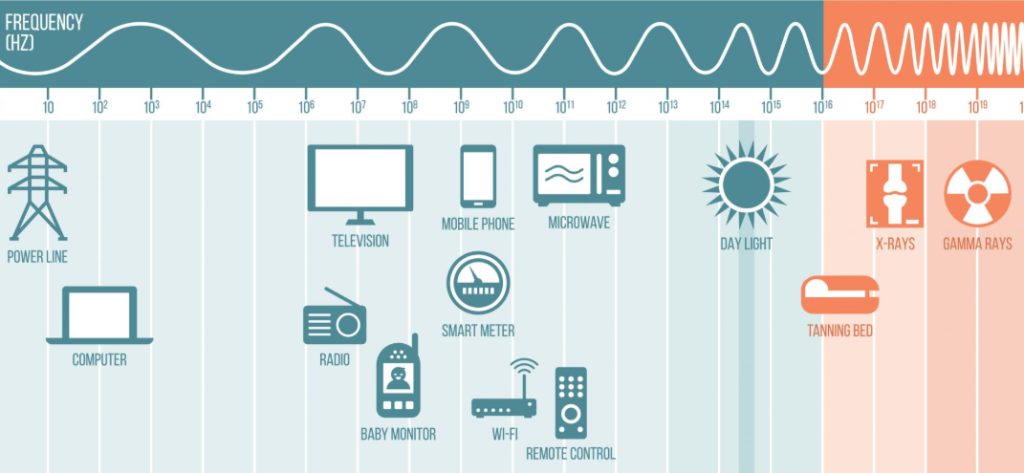
Spectrum Allocation & Frequency Management Spectrum is a critical national resource for mobile, satellite, broadcasting, and wireless technologies. The CMC manages spectrum allocation and assigns frequencies to licensed operators through direct awards or competitive processes. Spectrum allocation influences market competition, service quality, and technology deployment such as 4G, 5G, and IoT services. Applicant/Operator Requirements Submission of frequency usage proposals Network deployment and rollout plans Interference prevention methodologies CMC Compliance Use assigned spectrum efficiently Avoid harmful interference Pay applicable spectrum fees and renewals Comply with spectrum refarming or reassignment decisions Support national technology transition initiatives (e.g. 5G readiness) How Etihad Can Assist Etihad provides legal and regulatory advisory services to banks, financial institutions, and businesses, supporting compliance with applicable laws, regulations, and regulatory guidance issued by any competent authorities.
Comparison of Iraq’s Digital Payment Market to Regional Markets

Comparison of Iraq’s Digital Payment Market to Regional Markets Regional comparison highlights the competitive and regulatory position of Iraq within the broader MENA payments landscape. While Iraq is still developing compared to more mature markets, key reforms are narrowing the gap and creating investment opportunities. Comparative Factors Licensing frameworks Interoperability standards Consumer adoption levels Government digitalization initiatives Fintech participation and competition Regional Benchmark Trends Countries in the GCC have implemented open banking, instant payments, and digital identity frameworks. Iraq is progressing through EPSP licensing, digital government payments, and infrastructure modernization. Regulatory Implications Licensing and authorization AML/CFT compliance Technical oversight and cybersecurity Consumer protection How Etihad Can Assist Etihad provides legal and regulatory advisory services to banks, financial institutions, and businesses, supporting compliance with applicable laws, regulations, and regulatory guidance issued by any competent authorities.
Labor Compliance Iraq
Labor Compliance Iraq Etihad Law Firm, together with Anli Law Firm, contributed to the Labor Compliance Keys in Iraq by jointly preparing the Iraq chapter of the publication. The Iraq chapter provides an updated overview of the legal framework governing labor and employment compliance in Iraq. It covers key areas relevant to both national and international employers operating in the jurisdiction, including: employment contracts and classifications social security and statutory contributions workplace regulations and standards foreign workforce and work permit requirements termination procedures and severance dispute resolution mechanisms cross-border compliance considerations This publication serves as a practical reference for organizations managing workforce operations in Iraq and the wider region, offering structured guidance on regulatory obligations and compliance practices across the full employment lifecycle. Full version of guide can be found here For further information or inquiries, please feel free to contact our team.