
Platform Regulation: OTT, Streaming & Digital Media Services

Platform Regulation: OTT, Streaming & Digital Media Services Over-the-top (OTT) platforms, streaming services, and digital media providers are increasingly relevant in Iraq’s media consumption landscape. While traditional broadcasting is heavily licensed, OTT platforms operate in a hybrid regulatory environment where content, advertising, and consumer protection standards still apply. The CMC monitors OTT platforms for compliance with national content rules, data rights, advertising standards, and public interest considerations. Obligations for Digital Media Operators Compliance with content distribution rules Advertising and sponsorship transparency User data protection and privacy compliance Reporting obligations upon request Cooperation with takedown or content review orders CMC Compliance Register operations or notify regulators Adhere to local content and cultural standards Provide access for regulatory monitoring Maintain consumer-facing complaint resolution channels How Etihad Can Assist Etihad provides legal and regulatory advisory services to banks, financial institutions, and businesses, supporting compliance with applicable laws, regulations, and regulatory guidance issued by any competent authorities.
Registration & License of Broadcasting Entities (TV & Radio)

Registration & License of Broadcasting Entities (TV & Radio) Broadcast media operators, including television and radio stations, must obtain licenses from the CMC to broadcast within Iraq’s territory. Licensing covers terrestrial, satellite, digital, and online broadcasting formats. The framework is designed to regulate spectrum usage, media content, media ownership, and national security considerations. Applicant Requirements Corporate and ownership documentation Programming and content descriptions Transmission technology and frequency usage plans Studio and infrastructure documentation Compliance with content, cultural, and ethical standards CMC Compliance Adhere to content regulations and ethical codes Respect restrictions on prohibited content Comply with national security and public interest requirements Maintain accurate broadcasting logs and archives Renew licenses and submit periodic reports How Etihad Can Assist Etihad provides legal and regulatory advisory services to banks, financial institutions, and businesses, supporting compliance with applicable laws, regulations, and regulatory guidance issued by any competent authorities.
Spectrum Allocation & Frequency Management
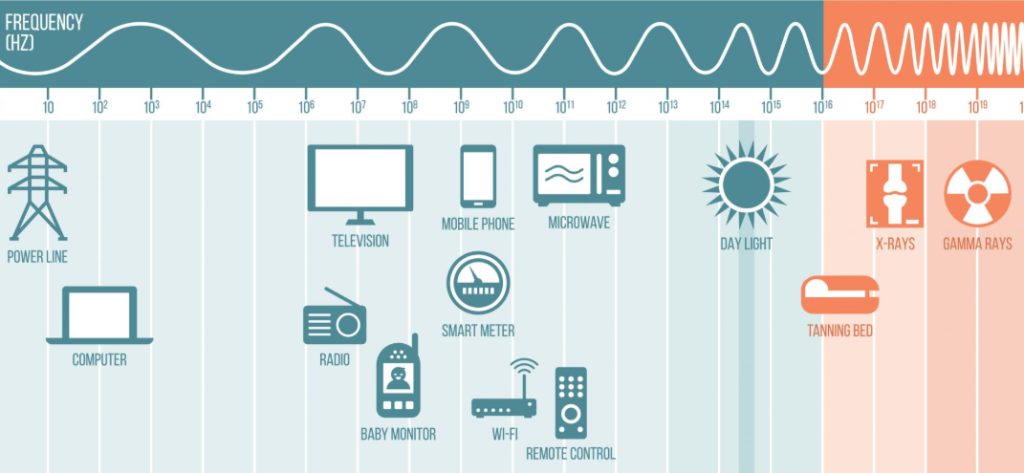
Spectrum Allocation & Frequency Management Spectrum is a critical national resource for mobile, satellite, broadcasting, and wireless technologies. The CMC manages spectrum allocation and assigns frequencies to licensed operators through direct awards or competitive processes. Spectrum allocation influences market competition, service quality, and technology deployment such as 4G, 5G, and IoT services. Applicant/Operator Requirements Submission of frequency usage proposals Network deployment and rollout plans Interference prevention methodologies CMC Compliance Use assigned spectrum efficiently Avoid harmful interference Pay applicable spectrum fees and renewals Comply with spectrum refarming or reassignment decisions Support national technology transition initiatives (e.g. 5G readiness) How Etihad Can Assist Etihad provides legal and regulatory advisory services to banks, financial institutions, and businesses, supporting compliance with applicable laws, regulations, and regulatory guidance issued by any competent authorities.
Comparison of Iraq’s Digital Payment Market to Regional Markets
Comparison of Iraq’s Digital Payment Market to Regional Markets Regional comparison highlights the competitive and regulatory position of Iraq within the broader MENA payments landscape. While Iraq is still developing compared to more mature markets, key reforms are narrowing the gap and creating investment opportunities. Comparative Factors Licensing frameworks Interoperability standards Consumer adoption levels Government digitalization initiatives Fintech participation and competition Regional Benchmark Trends Countries in the GCC have implemented open banking, instant payments, and digital identity frameworks. Iraq is progressing through EPSP licensing, digital government payments, and infrastructure modernization. Regulatory Implications Licensing and authorization AML/CFT compliance Technical oversight and cybersecurity Consumer protection How Etihad Can Assist Etihad provides legal and regulatory advisory services to banks, financial institutions, and businesses, supporting compliance with applicable laws, regulations, and regulatory guidance issued by any competent authorities.
Payments & FX Restrictions

Payments & FX Restrictions Cross-border payments introduce currency, AML, and sanctions risks. In Iraq, foreign exchange transactions are regulated, and EPSPs must comply with rules governing international remittances, foreign currency usage, and settlement arrangements. Not all EPSPs are permitted to perform cross-border functions without additional approvals. Compliance Considerations Currency controls and FX rules Sanctions and correspondent banking requirements AML/CFT and reporting obligations Licensing for remittance activities Operational Requirements Documentation for cross-border transfers Customer due diligence for international payments Settlement through approved channels CBI Compliance Obtain approval for FX or remittance services Report cross-border transaction data Enforce AML risk mitigation for foreign transfers Comply with foreign currency supervisory controls How Etihad Can Assist Etihad provides legal and regulatory advisory services to banks, financial institutions, and businesses, supporting compliance with applicable laws, regulations, and regulatory guidance issued by any competent authorities.
Iraq E-Commerce Update: New Instructions Issued Under the Electronic Commerce Regulation

Iraq E-Commerce Update: New Regulatory Instructions Issued Under the Electronic Commerce Framework Recent official correspondence confirms the issuance of new regulatory instructions governing electronic commerce activities in Iraq, impacting digital businesses and online platforms. Key Regulatory Updates Issuance of official instructions related to the Electronic Commerce Regulation Instructions issued pursuant to Regulation No. (3) of 2025 Circulation of an English-language version of the regulation Clarification of: Regulatory requirements for electronic commerce Required documentation Application procedures for electronic merchant platforms Scope of Application E-commerce platforms operating in Iraq Digital and online businesses offering goods or services FinTech companies engaging in digital trade activities Foreign companies providing online services to the Iraqi market What Businesses Should Do Review the Electronic Commerce Regulation and related instructions Assess whether their activities fall within the scope of electronic commerce Prepare required documents and compliance information Align internal operations with digital business regulatory requirements Alignment with Banking & FinTech / Digital Business Services This update is directly relevant to FinTech operators, digital platforms, and online businesses. Our Banking & FinTech / Digital Business advisory services support clients with: Regulatory assessment of digital business models Compliance with electronic commerce and digital trade regulations Documentation preparation and regulatory filings Ongoing regulatory risk management for digital operations As Iraq continues to strengthen its digital economy regulatory framework, proactive compliance with electronic commerce regulations is essential to ensure operational continuity and regulatory certainty. How Etihad Can Assist Etihad provides legal and regulatory advisory services to banks, financial institutions, and businesses, supporting compliance with applicable laws, regulations, and regulatory guidance issued by any competent authorities.
Investor Digital Banking in Iraq

How to Establish a Digital Bank in Iraq Investor & Regulatory Overview Establishing a digital bank in Iraq is subject to the Iraqi Banking Law and the regulatory authority of the Central Bank of Iraq (CBI). Digital banking activities are regulated as banking services, meaning that any entity seeking to operate a digital or branch-light banking model must obtain a full banking license and comply with all applicable prudential, governance, and compliance requirements imposed by the CBI. Although there is currently no standalone “digital-only” banking license, digital banks are permitted to operate within the existing banking framework, subject to enhanced regulatory scrutiny in areas such as technology, cybersecurity, consumer protection, and AML/CFT compliance. Investor Perspective A digital bank structure allows investors to enter the Iraqi financial market with a technology-driven model, supporting digital onboarding, electronic payments, and online banking services. Given Iraq’s ongoing transition toward financial inclusion and cashless payments, digital banking presents a long-term strategic investment opportunity, provided that regulatory, capital, and governance expectations are fully met. Key Regulatory Considerations: Applicants seeking to establish a digital bank in Iraq are expected to demonstrate: Compliance with Central Bank of Iraq licensing requirements Adequate capitalization in line with banking regulations Transparent ownership and shareholder structure Qualified board members and senior management Effective corporate governance and risk management Robust AML/CFT, KYC, and sanctions controls Secure IT systems, cybersecurity, and data protection A sustainable digital banking business model Foreign investors are subject to additional regulatory review and must satisfy enhanced due diligence requirements. Digital Bank vs Electronic Payment Company in Iraq Aspect Digital Bank Electronic Payment Company Regulator Central Bank of Iraq Central Bank of Iraq Legal Status Licensed bank Licensed non-bank financial institution License Scope Full banking license Electronic payment services license Capital Level Bank-level requirements Lower than banks Core Services Deposits, accounts, lending, digital banking Wallets, POS, payment processing Customer Deposits Permitted Limited / transactional Lending Activities Permitted Not permitted Regulatory Burden High Moderate Market Entry Complex Relatively faster Investor Profile Institutional / long-term Fintech / payment-focused Strategic insight: A digital bank is suitable for investors seeking full financial intermediation and long-term market presence, while an electronic payment company may be more appropriate for payments-focused or fintech-driven strategies. Regulatory Compliance & Ongoing Obligations: Once licensed, a digital bank in Iraq remains subject to continuous supervision by the Central Bank of Iraq, including reporting obligations, inspections, capital adequacy requirements, and compliance with AML/CFT and consumer protection rules. Failure to comply may result in regulatory sanctions or corrective measures. How Etihad Can Assist Etihad provides legal and regulatory advisory services to banks, financial institutions, and businesses, supporting compliance with applicable laws, regulations, and regulatory guidance issued by any competent authorities.
How to Establish a Digital Bank in Iraq: Regulatory & Investor Guide

Establishing a Digital Bank in Iraq Establishing a digital bank in Iraq is subject to the Iraqi Banking Law and the regulatory authority of the Central Bank of Iraq (CBI). Digital banking activities are treated as banking services, meaning that any entity seeking to operate a fully digital or branch-light bank must obtain a banking license from the CBI and comply with all applicable prudential, governance, and compliance requirements. While Iraq does not currently have a standalone “digital-only bank license,” digital banks are licensed within the existing banking framework, with additional scrutiny on technology, cybersecurity, and consumer protection. What Is Considered a Digital Bank in Iraq? A digital bank typically operates through: Digital onboarding and account opening Online and mobile banking platforms Electronic payments and digital wallets Limited or no physical branches Technology-driven service delivery Regardless of delivery model, digital banks are regulated as full banks under CBI supervision. Key Regulatory Requirements: Applicants seeking to establish a digital bank must demonstrate: Minimum capital as prescribed by the Central Bank of Iraq Transparent ownership and shareholder structure Fit and proper shareholders, board members, and senior management Robust corporate governance framework Strong AML/CFT, KYC, and sanctions compliance systems Secure IT infrastructure and cybersecurity controls Data protection and consumer protection mechanisms Viable digital banking business model Foreign investors are subject to enhanced due diligence and additional regulatory review. Step-by-Step Licensing Process Initial Application to the Central Bank of Iraq: Submit a formal request describing the proposed digital banking model, ownership structure, and scope of services. Submission of Business & Technology Plan: Applicants must provide detailed documentation covering: Digital banking strategy and services Financial projections Governance and management structure AML/CFT and compliance framework IT architecture, cybersecurity, and data protection Regulatory Due Diligence: The CBI conducts in-depth review of: Shareholders and source of funds Board and management suitability Compliance readiness Technology and operational resilience Capital Deposit: Upon preliminary approval, the required capital must be deposited with a CBI-designated bank. Company Incorporation: The bank is incorporated under the Iraqi Companies Law and registered with the Companies Registration Department. Final Banking License: After satisfying all regulatory conditions, the CBI issues the final banking license, authorizing digital banking operations. Operational Readiness & Launch: Before launch, the digital bank must: Complete system testing and security audits Appoint compliance and risk officers Finalize internal policies and reporting systems Obtain any additional approvals required by the CBI Ongoing Compliance Obligations: Digital banks in Iraq are subject to continuous supervision and must comply with: Capital adequacy and liquidity requirements CBI reporting and inspections AML/CFT and transaction monitoring rules Cybersecurity and data protection standards Consumer protection and transparency requirements Failure to comply may result in regulatory sanctions or license suspension. Indicative Timeline: The licensing and establishment process typically takes several months, depending on regulatory review, completeness of documentation, and technical readiness. How Etihad Can Assist Etihad provides legal and regulatory advisory services to banks, financial institutions, and businesses, supporting compliance with applicable laws, regulations, and regulatory guidance issued by any competent authorities.
How to Establish an Electronic Payment Company in Iraq
How to Establish a Bank in Iraq: Investor & Regulatory Guide Establishing an Electronic Payment Service Provider (EPSP) in Iraq is regulated by the Central Bank of Iraq (CBI) under the Electronic Payment Services Regulation and related CBI instructions. Any entity wishing to provide electronic wallets, POS services, payment processing, or digital payment solutions must obtain prior licensing and approval from the Central Bank of Iraq. Electronic payment activities are considered regulated financial services, and strict compliance with licensing, capital, governance, and AML/CFT requirements is mandatory. Types of Electronic Payment Activities: CBI licenses may cover one or more of the following activities, subject to approval: Electronic wallet services POS and merchant acquiring services Payment processing and switching Prepaid card issuance Mobile and digital payment platforms Each activity may be subject to specific operational and technical requirements. Key Regulatory Requirements: Applicants must demonstrate: Minimum capital as determined by the CBI Clear ownership and shareholder structure Fit and proper shareholders and management Robust governance and internal control frameworks AML/CFT and KYC compliance systems Secure technical infrastructure and data protection measures Viable business plan aligned with Iraqi market needs Foreign investors are subject to enhanced regulatory scrutiny and must appoint a local Iraqi legal representative. Step-by-Step Licensing Process Initial Application to the Central Bank of Iraq: Submit a formal request outlining the proposed electronic payment services, ownership structure, and business objectives. Submission of Business Plan & Documentation: Provide detailed documents including: Business and operational model Financial projections Governance and management structure AML/CFT, KYC, and risk management policies IT systems and cybersecurity framework Regulatory Review & Due Diligence: The CBI conducts a comprehensive assessment of: Shareholders and source of funds Management suitability Compliance readiness and system security Capital Deposit: Upon preliminary approval, the required capital must be deposited with a bank approved by the CBI. Company Incorporation: Register the company under the Iraqi Companies Law with the Companies Registration Department (Ministry of Trade). Final Licensing Approval: Once all regulatory conditions are satisfied, the CBI issues the electronic payment service license. Operational Readiness: Before launching operations, the company must: Finalize internal policies and SOPs Complete system testing and security validation Train staff and appoint compliance officers Obtain any additional approvals required Ongoing Compliance Obligations: Licensed electronic payment companies must comply with: CBI supervision and reporting requirements AML/CFT and sanctions regulations Transaction limits and wallet controls Consumer protection and data security rules Periodic audits and inspections Non-compliance may result in penalties, suspension, or license revocation. Investment Timeline (Indicative): The licensing process typically takes several months, depending on the scope of services, regulatory review, and readiness of the applicant. How Etihad Can Assist Etihad provides legal and regulatory advisory services to banks, financial institutions, and businesses, supporting compliance with applicable laws, regulations, and regulatory guidance issued by any competent authorities.
How to Establish a Bank in Iraq: Investor & Regulatory Guide
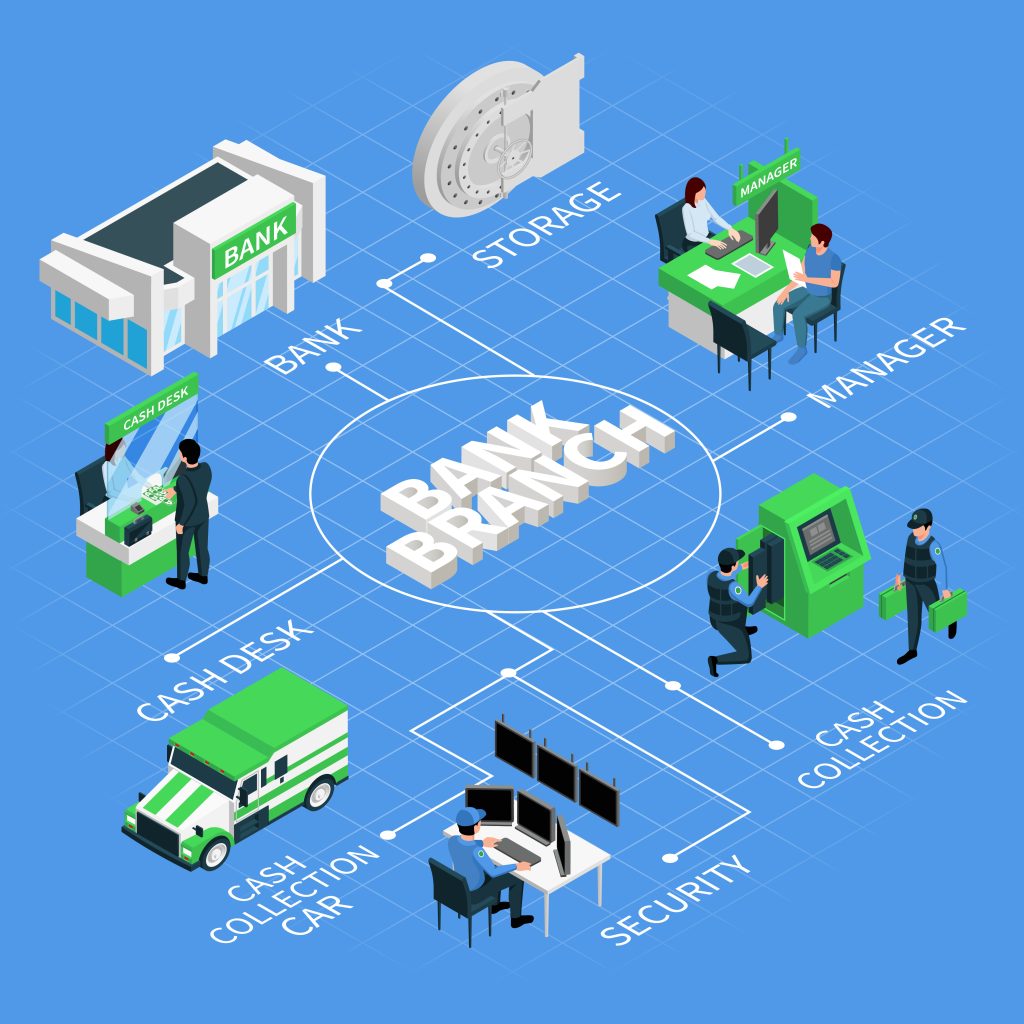
How to Establish a Bank in Iraq: Investor & Regulatory Guide Establishing a bank in Iraq is a highly regulated investment activity governed by the Iraqi Banking Law and supervised exclusively by the Central Bank of Iraq (CBI). Any entity seeking to establish a local bank, Islamic bank, or foreign bank presence must obtain prior licensing approval from the CBI and demonstrate financial strength, transparent ownership, sound governance, and long-term operational viability. The licensing framework is designed to protect financial stability, depositors’ interests, and the integrity of the Iraqi banking system, making regulatory compliance a central requirement for investors. Types of Banks Permitted in Iraq: Investors may apply to establish or operate the following types of banks, subject to CBI approval: Commercial Banks Islamic Banks Foreign Bank Subsidiaries Foreign Bank Branches (subject to additional conditions) Each category is subject to specific licensing, capital, and operational requirements determined by the Central Bank of Iraq. Key Regulatory Requirements: To qualify for a banking license, applicants must demonstrate compliance with the following core requirements: Minimum capital in accordance with CBI regulations Clear and transparent ownership structure Fit and proper shareholders, free from regulatory or criminal concerns Qualified Board of Directors and senior management Robust governance framework, including risk management and internal controls Comprehensive AML/CFT compliance systems Viable business plan aligned with Iraqi market conditions Foreign investors are subject to enhanced due diligence and additional disclosure requirements. Step-by-Step Licensing Process Initial Application to the Central Bank of Iraq: Investors submit a formal application outlining the proposed bank type, shareholders, capital structure, and strategic objectives. Submission of Business Plan & Supporting Documents: Applicants must provide detailed documentation covering: Proposed banking activities Financial projections Governance and organizational structure Risk management and compliance frameworks Regulatory Due Diligence: The CBI conducts a thorough assessment of: Shareholders and sources of funds Board members and executive management Compliance readiness and internal controls Capital Deposit: Following preliminary approval, the required capital must be deposited with a bank designated by the CBI. Company Incorporation: The bank is incorporated under the Iraqi Companies Law and registered with the Companies Registration Department. Final Licensing Approval: Upon satisfaction of all conditions, the CBI issues the final banking license, authorizing operations. Operational Readiness: Before commencing business, the bank must finalize systems, staffing, internal policies, reporting mechanisms, and any branch approvals. Ongoing Regulatory Obligations: Licensed banks in Iraq are subject to continuous supervision and must comply with: Capital adequacy and liquidity requirements CBI reporting and inspection regimes AML/CFT and sanctions compliance Corporate governance and board oversight Audit and disclosure obligations Failure to comply may result in regulatory sanctions, fines, or license suspension. Investment Timeline (Indicative): While timelines vary depending on complexity and regulatory review, the licensing process typically takes several months from initial application to final approval, subject to CBI discretion. Why Regulatory Preparation Matters: Banking license applications are assessed on a substance-over-form basis. Strong legal structuring, governance design, and compliance readiness significantly increase the likelihood of regulatory approval and long-term operational stability. How Etihad Can Assist Etihad provides legal and regulatory advisory services to banks, financial institutions, and businesses, supporting compliance with applicable laws, regulations, and regulatory guidance issued by any competent authorities.