
Licensing Requirements for Electronic Payment Service Providers (EPSPs)
License Requirements for Electronic Payment Service Providers (EPSPs) Electronic Payment Service Providers (EPSPs) must obtain a license from the Central Bank of Iraq before launching operations. The licensing framework ensures that providers possess sufficient capital, governance, risk controls, and technical infrastructure to support digital payment services securely and reliably. This requirement applies to both local investors and foreign technology or fintech companies seeking entry into the Iraqi payment market. License stages Initial application submission Evaluation of business model and ownership structure Review of technical systems and IT controls Capital and financial capacity assessment Issuance of preliminary approval Final authorization and commercial launch Documentation required from applicants: Corporate registration documents Shareholder disclosures and ownership chart Capital and source-of-funds proofs Technical architecture and IT infrastructure documents AML/CFT compliance policies Business and operational plans Disaster recovery and cybersecurity plans CBI license Meet minimum capital requirements Disclose ownership and controlling interests Demonstrate technical and cybersecurity capability Establish AML/KYC and compliance frameworks Maintain fit & proper management and Board oversight Undergo supervisory inspection before launch How Etihad Can Assist Etihad provides legal and regulatory advisory services to banks, financial institutions, and businesses, supporting compliance with applicable laws, regulations, and regulatory guidance issued by any competent authorities.
Classification of Foreign Exchange Companies in Iraq

Classification of Foreign Exchange Companies in Iraq The Central Bank of Iraq classifies FX companies into categories based on their authorized activities, operational scale, and compliance standards. Classification determines what services the company may perform, required capital levels, reporting obligations, and supervisory intensity. For investors, correct classification is critical to ensure their intended business model aligns with regulatory permissions. Typical classification factors include: Capital amount and financial strength Nature of services offered (exchange only vs. remittance vs. multi-service) Geographic outreach and number of branches Compliance and internal control maturity Technology and operational systems Documentation required for classification or reclassification: Financial statements Capital and reserve documentation Organizational structure Compliance and AML frameworks Operating policies and procedures CBI compliance expectations Maintain classification requirements on an ongoing basis Upgrade compliance controls when expanding services Report structural changes to CBI Undergo inspection and performance reviews Maintain capital adequacy at the required level How Etihad Can Assist Etihad provides legal and regulatory advisory services to banks, financial institutions, and businesses, supporting compliance with applicable laws, regulations, and regulatory guidance issued by any competent authorities.
Settlement Models & Fund Flow Structures
Settlement Models & Fund Flow Structures Settlement models determine how funds move between consumers, merchants, EPSPs, and banks. Proper settlement design protects customer funds, reduces settlement risk, and ensures transparency for regulators. In Iraq, the CBI reviews settlement arrangements before authorizing service launch to ensure operational integrity and financial stability Settlement Components Settlement bank relationships Clearing and payout cycles Wallet top-up and redemption mechanics Chargeback and dispute flows Reconciliation and reporting processes Operational Considerations Timing of merchant payouts Handling of failed or reversed transactions Segregation of customer funds from corporate funds Safeguarding mechanisms for stored value accounts CBI compliance Submit documentation on settlement design Demonstrate risk mitigation for fund flows Maintain escrow or safeguarding arrangements if required How Etihad Can Assist Etihad provides legal and regulatory advisory services to banks, financial institutions, and businesses, supporting compliance with applicable laws, regulations, and regulatory guidance issued by any competent authorities.
Mobile Wallets & Stored Value Accounts

Mobile Wallets & Stored Value Accounts Mobile wallets and stored value products allow users to hold, transfer, and spend funds electronically without relying on traditional bank accounts. These services have become an important tool for financial inclusion and digital payment adoption in Iraq. Stored value models require safeguards for customer balances, cybersecurity controls, and compliance with AML standards due to the risks associated with digital cash equivalents. Service Features Electronic value storage Peer-to-peer transfers Merchant payments Bill and utility payments Government disbursements (where applicable) Operational Requirements Secure wallet issuance and account setup Transaction and balance limits to manage risk Integration with settlement channels for wallet funds CBI compliance Protect stored balances and customer funds Enforce transaction and wallet limits Maintain KYC for wallet users Monitor transactions for unusual activity Ensure redemption and refund mechanisms How Etihad Can Assist Etihad provides legal and regulatory advisory services to banks, financial institutions, and businesses, supporting compliance with applicable laws, regulations, and regulatory guidance issued by any competent authorities.
Regulatory Reporting & Supervisory Oversight

Regulatory Reporting & Supervisory Oversight EPSPs are subject to ongoing regulatory reporting to ensure compliance with prudential, operational, and AML/CFT standards. The CBI maintains a supervisory role through inspections, audits, data requests, and periodic evaluations of EPSP performance. Regulatory reporting ensures transparency across transaction volumes, risk exposures, system incidents, and consumer complaints. Reporting Requirements Transaction volume and value statistics Merchant and customer onboarding reports Operational incident and outage reports AML and suspicious activity reports Financial and capital adequacy reports Supervisory Oversight Tools On-site inspections Off-site monitoring of submissions Audit reviews and compliance meetings Corrective action plans and follow-up reviews CBI compliance Submit reports within specified deadlines Maintain complete audit and inspection data Notify CBI of material events and incidents Respond to supervisory recommendations and inquiries Maintain updated compliance documentation How Etihad Can Assist Etihad provides legal and regulatory advisory services to banks, financial institutions, and businesses, supporting compliance with applicable laws, regulations, and regulatory guidance issued by any competent authorities.
Interoperability with Banks & Settlement Systems
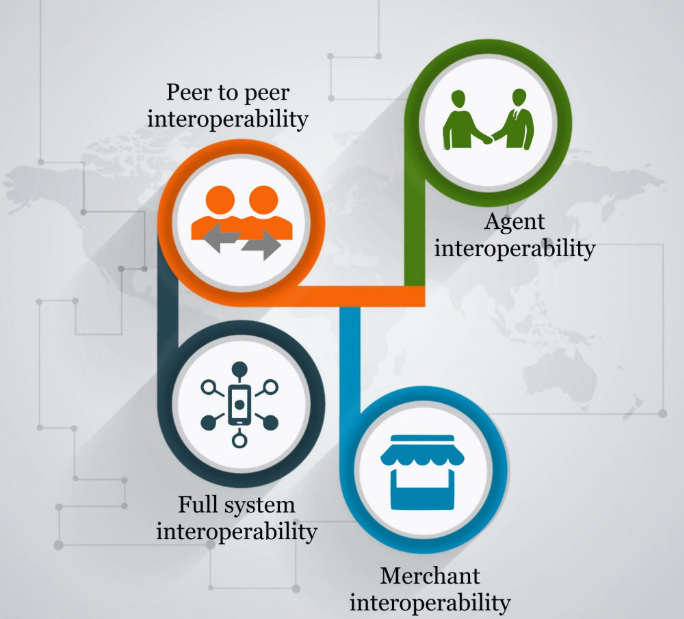
Interoperability with Banks & Settlement Systems Electronic Payment Service Providers (EPSPs) must integrate with banks and clearing systems to enable transaction settlement, merchant payouts, card operations, and wallet functionalities. The Central Bank of Iraq oversees interoperability to ensure consistent standards, fair access, financial stability, and secure fund flows. Without interoperability, digital payment systems cannot scale across merchants, customers, and banking channels. Interoperability Requirements: Integration with designated settlement banks Compatibility with card and payment networks Secure API data exchange with banking systems Transaction reconciliation and reporting processes Cut-off and settlement timing coordination Operational Considerations: Merchant payout cycles Wallet top-up and withdrawal mechanisms Dispute and chargeback procedures Clearing and reconciliation models CBI compliance Submit documentation on system interfaces Demonstrate successful testing and certification Maintain system availability and performance Support standardized settlement processes How Etihad Can Assist Etihad provides legal and regulatory advisory services to banks, financial institutions, and businesses, supporting compliance with applicable laws, regulations, and regulatory guidance issued by any competent authorities.
Technical & IT Infrastructure Requirements for EPSPs

Technical & IT Infrastructure Requirements for EPSPs Electronic payment operations depend on secure, resilient, and scalable IT infrastructures. The CBI requires EPSPs to demonstrate that their systems meet minimum standards for uptime, cybersecurity, interoperability, disaster recovery, and integration with banking and clearing systems. Weaknesses in IT infrastructure can result in regulatory delays or denial of licensing. Core IT & Infrastructure Requirements Reliable payment processing platforms Secure API connectivity and integration Real-time monitoring and transaction logging Data backup and redundancy systems Disaster recovery and business continuity plans Cybersecurity Controls Security testing and penetration assessments Encryption of sensitive data Access control and user authentication mechanisms CBI compliance Submit technical architecture documentation Undergo IT audits and inspections Maintain minimum uptime and performance standards Support interoperability with bank settlement systems Demonstrate contingency and recovery capabilities How Etihad Can Assist Etihad provides legal and regulatory advisory services to banks, financial institutions, and businesses, supporting compliance with applicable laws, regulations, and regulatory guidance issued by any competent authorities.
Permitted Activities & Scope of EPSP License
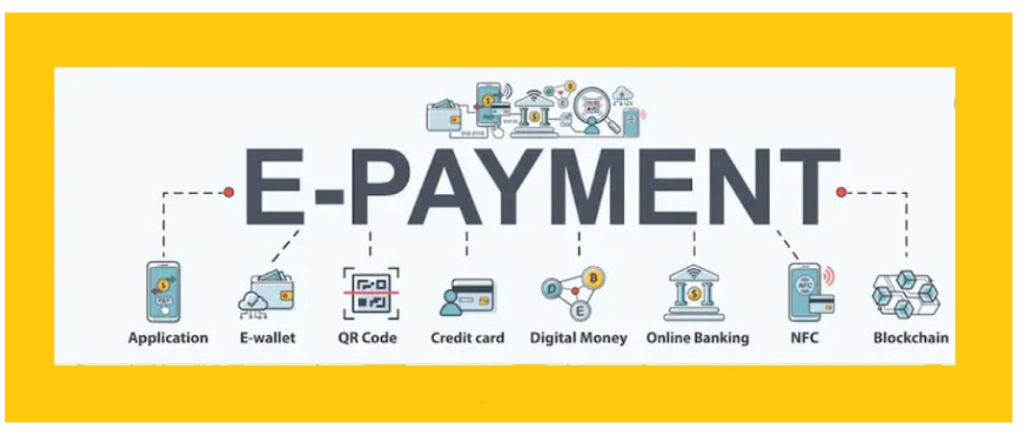
Permitted Activities & Scope of EPSP License The EPSP license defines the activities that an electronic payment provider may legally undertake in Iraq. These activities typically cover payment initiation, merchant acquiring, card/mobile wallet operations, settlement, and related financial services. Operating outside the permitted scope can lead to supervisory action, making clarity of scope essential for business planning. The scope also affects technical requirements, capital adequacy, and AML/CFT obligations depending on the nature of services. Common activities permitted under EPSP license: Mobile wallet issuance and management Merchant acquiring and POS operations Payment gateway services Electronic bill payments Digital wage disbursement and salary cards Stored value and prepaid card activities Clearing and settlement participation (where allowed) Activities that require additional approvals Cross-border remittance services FX-linked digital operations Credit or lending-based digital products Digital banking functions CBI compliance Operate strictly within licensed scope Disclose any new activities for prior approval Maintain operational and cybersecurity standards Conduct AML/KYC and sanctions compliance Report transactional and financial performance periodically How Etihad Can Assist Etihad provides legal and regulatory advisory services to banks, financial institutions, and businesses, supporting compliance with applicable laws, regulations, and regulatory guidance issued by any competent authorities.
Overview of Electronic Payments in Iraq

Overview of Electronic Payments in Iraq The electronic payments sector in Iraq has expanded rapidly in recent years, driven by financial inclusion goals, modernization of payment infrastructure, and increased adoption of digital services by government, banks, and private companies. Electronic payment platforms facilitate cashless transactions, merchant payments, wage disbursement, and consumer-to-business operations, reducing dependence on physical cash. Electronic payments are regulated by the Central Bank of Iraq (CBI), which supervises licensing, technical standards, consumer protection, interoperability, and AML/CFT controls across the ecosystem. Key components of the digital payment ecosystem Electronic Payment Service Providers (EPSPs) Mobile wallets and stored value accounts Merchant payment acceptance systems Card payment networks and terminals (POS) Digital government services and bill payments Clearing and settlement infrastructure CBI regulatory focus areas: Licensing and authorization AML/CFT compliance Consumer protection standards Technical stability and cybersecurity Interoperability with banks and settlement systems How Etihad Can Assist Etihad provides legal and regulatory advisory services to banks, financial institutions, and businesses, supporting compliance with applicable laws, regulations, and regulatory guidance issued by any competent authorities.
Regulatory Controls for Assessing Customer Creditworthiness
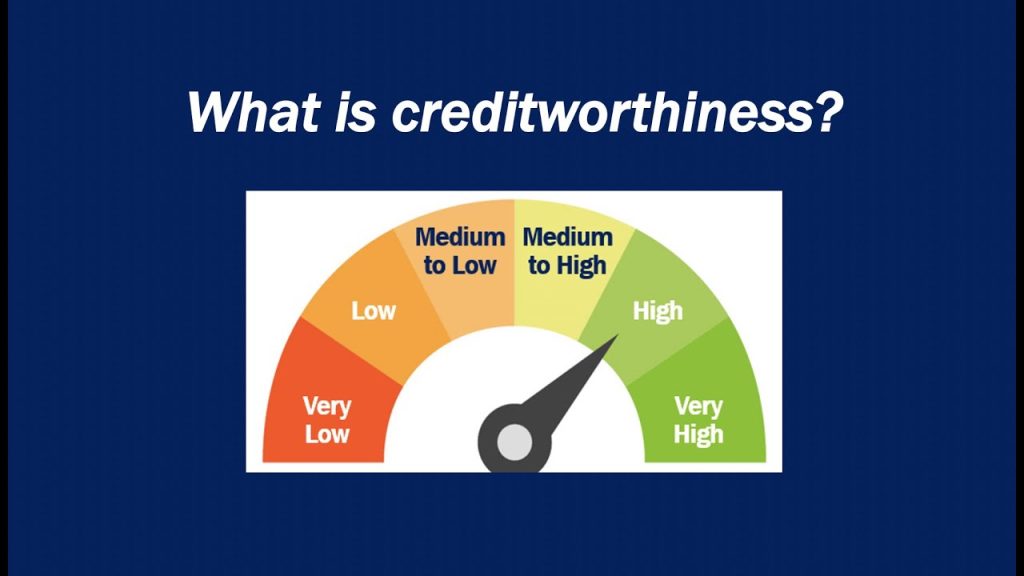
Regulatory Controls for Assessing Customer Creditworthiness Banks must apply standardized criteria to assess borrower creditworthiness before approving loans or credit facilities. This process reduces default risks, enhances portfolio quality, and ensures fair treatment of customers in line with CBI supervisory expectations. Creditworthiness assessment combines financial analysis, documentation verification, and risk evaluation of the borrower’s business or income. Requirements for applicants (borrowers): Financial statements or income documentation Bank statements and credit history Collateral or guarantees (if required) Corporate documents (for business borrowers) Identification and KYC documents CBI compliance expectations Apply standardized credit evaluation criteria Determine repayment capacity and credit limits Verify documentation and collateral Perform periodic credit reviews Record credit decisions for audit and supervision Report credit data to relevant bureaus when applicable How Etihad Can Assist Etihad provides legal and regulatory advisory services to banks, financial institutions, and businesses, supporting compliance with applicable laws, regulations, and regulatory guidance issued by any competent authorities.