
Regulatory Reporting & Supervisory Oversight

Regulatory Reporting & Supervisory Oversight EPSPs are subject to ongoing regulatory reporting to ensure compliance with prudential, operational, and AML/CFT standards. The CBI maintains a supervisory role through inspections, audits, data requests, and periodic evaluations of EPSP performance. Regulatory reporting ensures transparency across transaction volumes, risk exposures, system incidents, and consumer complaints. Reporting Requirements Transaction volume and value statistics Merchant and customer onboarding reports Operational incident and outage reports AML and suspicious activity reports Financial and capital adequacy reports Supervisory Oversight Tools On-site inspections Off-site monitoring of submissions Audit reviews and compliance meetings Corrective action plans and follow-up reviews CBI compliance Submit reports within specified deadlines Maintain complete audit and inspection data Notify CBI of material events and incidents Respond to supervisory recommendations and inquiries Maintain updated compliance documentation How Etihad Can Assist Etihad provides legal and regulatory advisory services to banks, financial institutions, and businesses, supporting compliance with applicable laws, regulations, and regulatory guidance issued by any competent authorities.
Interoperability with Banks & Settlement Systems
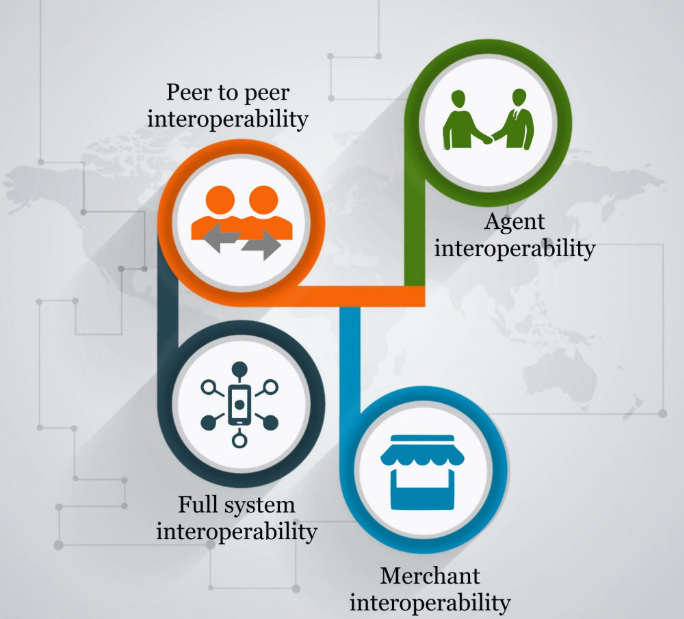
Interoperability with Banks & Settlement Systems Electronic Payment Service Providers (EPSPs) must integrate with banks and clearing systems to enable transaction settlement, merchant payouts, card operations, and wallet functionalities. The Central Bank of Iraq oversees interoperability to ensure consistent standards, fair access, financial stability, and secure fund flows. Without interoperability, digital payment systems cannot scale across merchants, customers, and banking channels. Interoperability Requirements: Integration with designated settlement banks Compatibility with card and payment networks Secure API data exchange with banking systems Transaction reconciliation and reporting processes Cut-off and settlement timing coordination Operational Considerations: Merchant payout cycles Wallet top-up and withdrawal mechanisms Dispute and chargeback procedures Clearing and reconciliation models CBI compliance Submit documentation on system interfaces Demonstrate successful testing and certification Maintain system availability and performance Support standardized settlement processes How Etihad Can Assist Etihad provides legal and regulatory advisory services to banks, financial institutions, and businesses, supporting compliance with applicable laws, regulations, and regulatory guidance issued by any competent authorities.
Technical & IT Infrastructure Requirements for EPSPs

Technical & IT Infrastructure Requirements for EPSPs Electronic payment operations depend on secure, resilient, and scalable IT infrastructures. The CBI requires EPSPs to demonstrate that their systems meet minimum standards for uptime, cybersecurity, interoperability, disaster recovery, and integration with banking and clearing systems. Weaknesses in IT infrastructure can result in regulatory delays or denial of licensing. Core IT & Infrastructure Requirements Reliable payment processing platforms Secure API connectivity and integration Real-time monitoring and transaction logging Data backup and redundancy systems Disaster recovery and business continuity plans Cybersecurity Controls Security testing and penetration assessments Encryption of sensitive data Access control and user authentication mechanisms CBI compliance Submit technical architecture documentation Undergo IT audits and inspections Maintain minimum uptime and performance standards Support interoperability with bank settlement systems Demonstrate contingency and recovery capabilities How Etihad Can Assist Etihad provides legal and regulatory advisory services to banks, financial institutions, and businesses, supporting compliance with applicable laws, regulations, and regulatory guidance issued by any competent authorities.
Permitted Activities & Scope of EPSP License
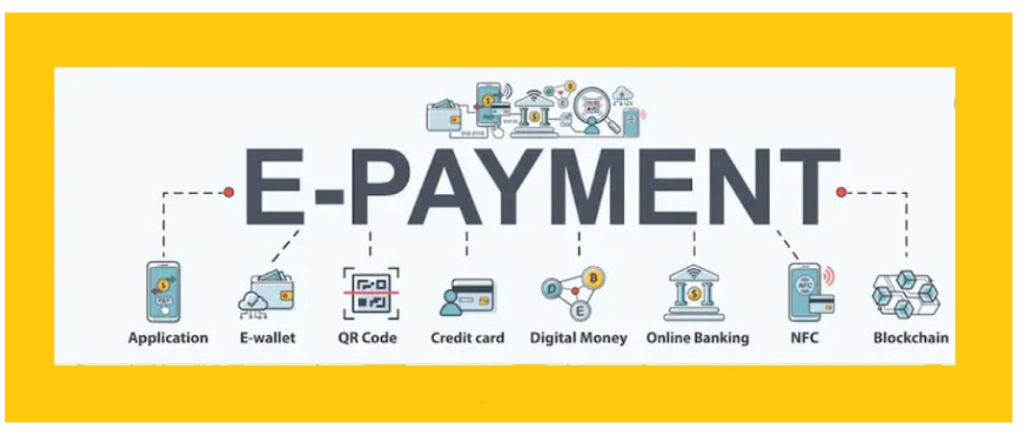
Permitted Activities & Scope of EPSP License The EPSP license defines the activities that an electronic payment provider may legally undertake in Iraq. These activities typically cover payment initiation, merchant acquiring, card/mobile wallet operations, settlement, and related financial services. Operating outside the permitted scope can lead to supervisory action, making clarity of scope essential for business planning. The scope also affects technical requirements, capital adequacy, and AML/CFT obligations depending on the nature of services. Common activities permitted under EPSP license: Mobile wallet issuance and management Merchant acquiring and POS operations Payment gateway services Electronic bill payments Digital wage disbursement and salary cards Stored value and prepaid card activities Clearing and settlement participation (where allowed) Activities that require additional approvals Cross-border remittance services FX-linked digital operations Credit or lending-based digital products Digital banking functions CBI compliance Operate strictly within licensed scope Disclose any new activities for prior approval Maintain operational and cybersecurity standards Conduct AML/KYC and sanctions compliance Report transactional and financial performance periodically How Etihad Can Assist Etihad provides legal and regulatory advisory services to banks, financial institutions, and businesses, supporting compliance with applicable laws, regulations, and regulatory guidance issued by any competent authorities.
Overview of Electronic Payments in Iraq

Overview of Electronic Payments in Iraq The electronic payments sector in Iraq has expanded rapidly in recent years, driven by financial inclusion goals, modernization of payment infrastructure, and increased adoption of digital services by government, banks, and private companies. Electronic payment platforms facilitate cashless transactions, merchant payments, wage disbursement, and consumer-to-business operations, reducing dependence on physical cash. Electronic payments are regulated by the Central Bank of Iraq (CBI), which supervises licensing, technical standards, consumer protection, interoperability, and AML/CFT controls across the ecosystem. Key components of the digital payment ecosystem Electronic Payment Service Providers (EPSPs) Mobile wallets and stored value accounts Merchant payment acceptance systems Card payment networks and terminals (POS) Digital government services and bill payments Clearing and settlement infrastructure CBI regulatory focus areas: Licensing and authorization AML/CFT compliance Consumer protection standards Technical stability and cybersecurity Interoperability with banks and settlement systems How Etihad Can Assist Etihad provides legal and regulatory advisory services to banks, financial institutions, and businesses, supporting compliance with applicable laws, regulations, and regulatory guidance issued by any competent authorities.
Regulatory Controls for Assessing Customer Creditworthiness
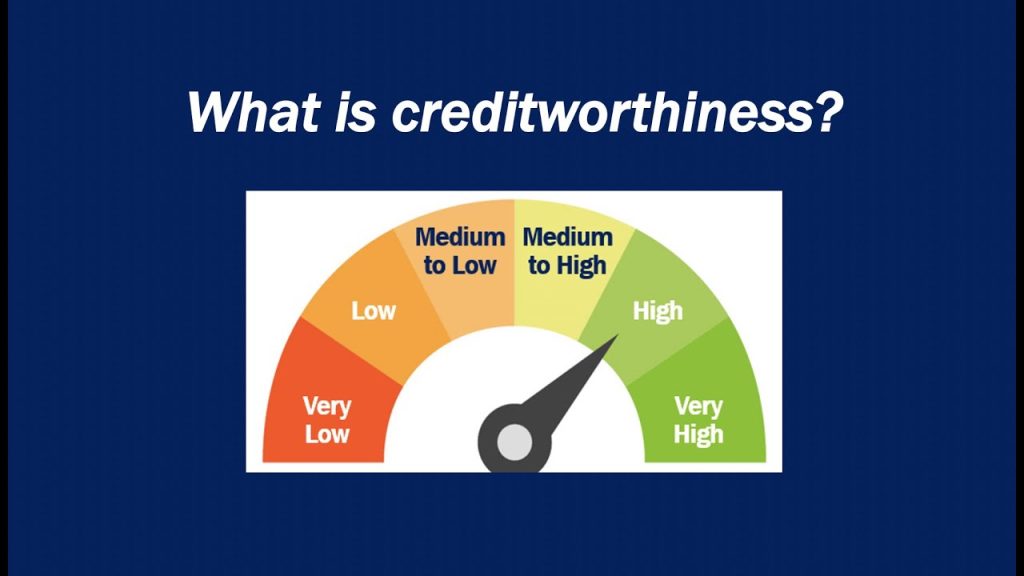
Regulatory Controls for Assessing Customer Creditworthiness Banks must apply standardized criteria to assess borrower creditworthiness before approving loans or credit facilities. This process reduces default risks, enhances portfolio quality, and ensures fair treatment of customers in line with CBI supervisory expectations. Creditworthiness assessment combines financial analysis, documentation verification, and risk evaluation of the borrower’s business or income. Requirements for applicants (borrowers): Financial statements or income documentation Bank statements and credit history Collateral or guarantees (if required) Corporate documents (for business borrowers) Identification and KYC documents CBI compliance expectations Apply standardized credit evaluation criteria Determine repayment capacity and credit limits Verify documentation and collateral Perform periodic credit reviews Record credit decisions for audit and supervision Report credit data to relevant bureaus when applicable How Etihad Can Assist Etihad provides legal and regulatory advisory services to banks, financial institutions, and businesses, supporting compliance with applicable laws, regulations, and regulatory guidance issued by any competent authorities.
Supervisory Controls for Internal Assessment of Capital Adequacy
Supervisory Controls for Internal Assessment of Capital Adequacy Banks in Iraq must maintain adequate capital relative to their risk exposure and business activities. Internal Capital Adequacy Assessment Processes (ICAAP) help banks assess and allocate capital to credit, market, operational, and other risks. ICAAP is part of the CBI’s supervisory framework aligned with international prudential standards. Effective capital planning strengthens financial stability, protects depositors, and supports sustainable growth. Internal requirements for banks: Risk identification and quantification Stress testing and scenario analysis Capital planning and allocation methodologies Governance and board oversight Integration with strategic planning CBI compliance expectations Develop ICAAP frameworks approved by their Board Maintain capital ratios at or above regulatory minimums Submit periodic ICAAP reports to CBI Conduct stress tests and present results to supervisors Update frameworks in response to business and market changes How Etihad Can Assist Etihad provides legal and regulatory advisory services to banks, financial institutions, and businesses, supporting compliance with applicable laws, regulations, and regulatory guidance issued by any competent authorities.
Payments and FX Compliance for Iraqi Banks

Payments and FX Compliance for Iraqi Banks Cross-border financial transactions require alignment with foreign exchange controls, AML screening, and correspondent banking policies. Banks must manage operational, regulatory, and sanctions implications during international transfers. Compliance Factors FX authorization rules Correspondent banking due diligence Sanctions screening and restrictions Customer and trade documentation requirements Repatriation and profit distribution rules Operational Challenges Currency availability Transaction delays due to compliance checks Differing documentation standards between jurisdictions How Etihad Can Assist Etihad provides legal and regulatory advisory services to banks, financial institutions, and businesses, supporting compliance with applicable laws, regulations, and regulatory guidance issued by any competent authorities.
Tax of Banks in Iraq: Corporate Tax, Withholding, and Reporting

Tax of Banks in Iraq: Corporate Tax, Withholding, and Reporting Banks in Iraq are subject to specific tax and reporting obligations which differ from general commercial entities due to the nature of financial activities and cross-border profit flows. Tax Considerations Corporate income tax rates applicable to banks Withholding tax on interest, fees, and service payments Treatment of cross-border lending arrangements Stamp duties and banking charges Social security obligations for employees Financial reporting requirements and audits Focus Areas Deductibility of provisions and loan losses Tax treatment of foreign bank branches Repatriation of profits How Etihad Can Assist Etihad provides legal and regulatory advisory services to banks, financial institutions, and businesses, supporting compliance with applicable laws, regulations, and regulatory guidance issued by any competent authorities.
Role of the Central Bank of Iraq in Supervising Financial Institutions

Tax of Banks in Iraq: Corporate Tax, Withholding, and Reporting Banks in Iraq are subject to specific tax and reporting obligations which differ from general commercial entities due to the nature of financial activities and cross-border profit flows. Tax Considerations Corporate income tax rates applicable to banks Withholding tax on interest, fees, and service payments Treatment of cross-border lending arrangements Stamp duties and banking charges Social security obligations for employees Financial reporting requirements and audits Special Focus Areas Deductibility of provisions and loan losses Tax treatment of foreign bank branches Repatriation of profits How Etihad Can Assist Etihad provides legal and regulatory advisory services to banks, financial institutions, and businesses, supporting compliance with applicable laws, regulations, and regulatory guidance issued by any competent authorities.