
ISP Licensing Requirements in Iraq
ISP Licensing Requirements in Iraq – CMC The Communications and Media Commission (CMC) of Iraq has issued the official ISP Licensing Requirements governing the provision of internet services in Iraq. These requirements were issued pursuant to CMC Decision No. (175/Q/2023) dated 12 September 2023, and form the primary regulatory framework for licensing Internet Service Providers (ISPs) operating in the Iraqi market. 🧾 Licensing Scope and Classification The CMC classifies ISP licenses into three categories (A, B, and C), depending on the scope of operations, geographic coverage, and infrastructure ownership. Category A licenses apply to nationwide operators with full infrastructure capabilities, while Category B licenses apply to regional or governorate-level operators. Category C licenses are granted to service providers that deliver internet services to end users through licensed primary or regional operators. ⚙️ Technical Requirements Applicants are required to submit detailed technical documentation describing the nature of their internet services, operational coverage, network infrastructure, and distribution mechanisms. This includes providing information on service delivery areas, branch offices across governorates, technical management personnel, tower locations, repeaters, and distribution agents. Applicants must also maintain an official website and specify the requested license duration and classification. ⚖️ Legal Requirements The licensing framework requires applicants to submit a complete set of legal documents, including a valid company incorporation contract, certificate of incorporation, shareholders’ resolutions, confirmation from the Companies Registrar, and tax and social security clearance certificates. Foreign companies must provide evidence of branch registration in Iraq. Applicants must also submit declarations confirming compliance with CMC regulations and Iraqi laws, including the obligation to conduct transactions in Iraqi dinars. 💰 Financial Requirements The CMC has set specific licensing fees and financial guarantees based on license classification. Category A licenses require a comprehensive nationwide license fee of IQD 2 billion annually, in addition to a performance guarantee of the same amount. Category B and C licenses are subject to annual licensing fees determined per governorate, with fees varying by location. Applicants must also submit a performance bond, the value of which increases based on the duration of the license. 🏗️ Operational Capacity and Experience License holders are required to demonstrate minimum capital thresholds, technical expertise, and operational capacity. Category A licensees must have a minimum capital of IQD 2 billion and proven experience of no less than five years in the telecommunications or ICT sector. Category B and C licensees are subject to proportionate capital and experience requirements based on their license classification and service scope. ⚠️ Compliance and Enforcement ISP licensees are subject to ongoing regulatory oversight by the CMC. Failure to comply with licensing conditions, technical standards, or financial obligations may result in regulatory action, including suspension or revocation of the license. The CMC reserves the right to monitor operations and enforce compliance throughout the license term. How Etihad Can Assist Etihad provides legal and regulatory advisory services to banks, financial institutions, and businesses, supporting compliance with applicable laws, regulations, and regulatory guidance issued by any competent authorities.
Iraq CMC Update: New Licensing Regulations for GPS Tracking Systems
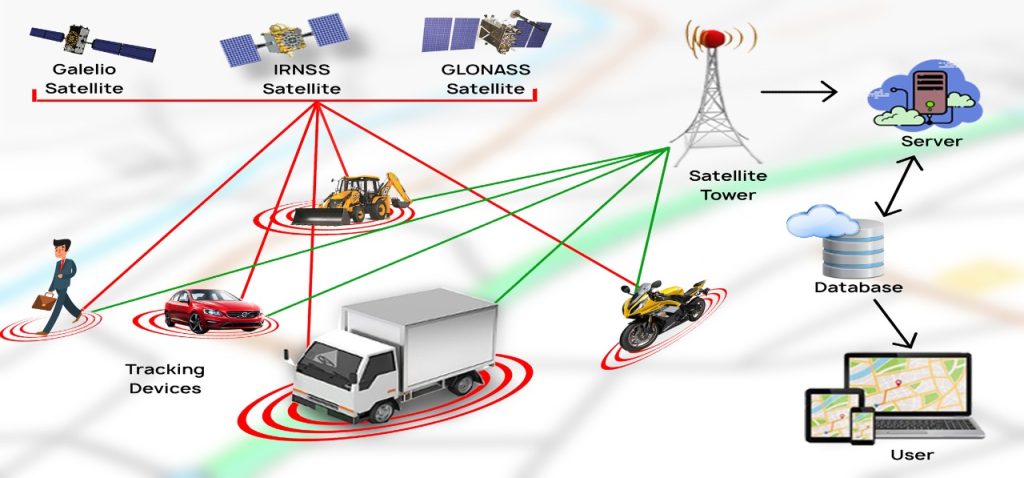
Iraq CMC Issues New rEGULATIONS and Instructions for Licensing and Use of GPS Tracking Systems The Communications and Media Commission (CMC) of Iraq has issued new regulations and instructions regulating the licensing, use, and operation of Global Positioning System (GPS) Tracking Systems in Iraq. These instructions fall within the CMC’s regulatory authority over telecommunications and technology-based services that involve tracking, monitoring, and positioning systems. Licensing and Regulatory Requirements Under the newly issued regulations, companies providing or operating GPS tracking services are required to obtain prior licensing and approval from the CMC. The regulation applies to entities offering GPS-based services for vehicle tracking, asset monitoring, fleet management, and other location-based applications. Any company engaging in such activities must ensure that its operations are properly licensed and compliant with the CMC’s regulatory framework. Data Protection and System Use The instructions emphasize the importance of compliance with technical, security, and data protection standards, particularly where GPS tracking systems involve the collection, processing, or transmission of location data. Unauthorized use of GPS technology or operation without the required license may result in regulatory measures, including suspension of activities or other legal consequences. Scope of Application These instructions are relevant to companies operating in sectors such as logistics, transportation, security services, fleet management, and technology solutions, as well as any business using GPS tracking systems as part of its operational or commercial activities. Compliance Considerations Companies are advised to assess whether their business activities fall within the scope of the GPS tracking regulations and, where applicable, to initiate the necessary licensing procedures with the CMC. Internal policies and operational practices should be reviewed to ensure alignment with the new regulatory regulations. How Etihad Can Assist Etihad provides legal and regulatory advisory services to banks, financial institutions, and businesses, supporting compliance with applicable laws, regulations, and regulatory guidance issued by any competent authorities.