
Tax Registration Compliance in Iraq

Tax Registration Compliance in Iraq After incorporation, companies in Iraq must register with the tax authorities to obtain a tax identification number and begin meeting their corporate tax obligations. Tax registration is mandatory for all legal entities operating in Iraq and is required before issuing invoices, booking expenses, or submitting tax filings. Corporate Tax Registration Companies must complete corporate tax registration with the General Commission for Taxes (GCT) to establish their tax file and confirm their taxable presence in Iraq. Once registered, the company becomes subject to: Corporate income tax declarations Tax audits and assessments Annual tax filings and reporting obligations Corporate tax is generally calculated on the net profits of the business after allowable deductions and adjustments, in accordance with Iraqi tax regulations. Monthly Payroll Tax (Personal Income Tax Withholding) Employers in Iraq are responsible for withholding personal income tax from employees’ monthly salaries and paying it to the tax authority. This system places the compliance burden on the employer rather than the employee. Key obligations include: Monthly payroll tax calculation Monthly submission of payroll tax declarations Monthly remittance of withheld taxes to the tax authority Maintenance of payroll records for audit and verification Payroll tax applies to both Iraqi and foreign employees working in Iraq. Tax Compliance Benefits Proper tax registration and compliance: Enables lawful invoicing and tax recognition of expenses Reduces tax exposure, penalties, and disputes Facilitates dealing with banks, clients, and government bodies Supports transparent financial reporting and accounting functions How Etihad Can Assist Etihad Law supports businesses in Iraq with: Corporate tax registration Payroll tax withholding compliance Monthly and annual tax filings Preparation and review of tax documentation Advisory on tax assessments, audits, and disputes
Corporate Governance in Iraq

Corporate Governance in Iraq Corporate governance in Iraq determines how companies are directed, managed, and supervised to ensure accountability, transparency, and lawful decision-making. Governance rules vary by corporate structure, with Joint-Stock Companies (JSCs) subject to more formal governance obligations, including board oversight, shareholder protections, audit requirements, and reporting standards. Core Elements of Corporate Governance Corporate governance frameworks in Iraq generally cover: Appointment and powers of directors or managers Shareholder rights, voting procedures & resolutions Annual meeting requirements & decision-making processes Financial reporting, audit & disclosure obligations Conflict-of-interest rules & related-party controls Risk management & internal oversight mechanisms Benefits of Strong Governance Implementing robust governance practices provides several advantages: Enhances investor trust and transparency Strengthens regulatory and legal compliance Supports operational oversight and accountability Reduces governance-related disputes and risks Facilitates business continuity and institutional credibility How Etihad Law Supports Governance Compliance Etihad Law assists companies operating in Iraq with: Corporate governance advisory & documentation Shareholder & board procedure structuring Compliance with Iraqi corporate governance rules Development of internal policies and frameworks Ongoing legal support for corporate governance matters
Capital Requirements

Capital Requirements Capital requirements are an essential element of company formation in Iraq and vary depending on the legal form of the entity and the type of commercial activities it intends to perform. At the foundational level, capital represents the financial resource contributed by shareholders or partners to fund the company’s operations and provides a measure of financial adequacy for regulatory and commercial purposes. In several sectors, capitalization levels may also influence licensing approvals, operational capabilities, and market credibility. Legal Capital Requirements by Company Type Under Iraqi company law, capital levels differ by legal structure: Limited Liability Company (LLC)LLCs have a relatively flexible capital model and may be incorporated with lower minimum capital thresholds. Capital must be fully subscribed by the members at formation. Joint-Stock Company (JSC)JSCs require higher minimum capital and more rigid compliance obligations. Part of the capital must be paid in upon formation, with the remainder paid according to statutory rules. Public JSCs and banking/financial JSCs are subject to stricter capitalization standards. Branch of a Foreign CompanyBranches do not have formal minimum capital requirements but must demonstrate financial capacity through parent guarantees, internal funding, or banking arrangements to operate in Iraq. Capital requirements may also vary depending on whether the business operates in regulated sectors such as banking, insurance, telecom, aviation, financial services, or oil and gas services where prudential or licensing-based capital requirements are imposed separately by sectoral authorities. Core Capital Considerations for Investors Investors typically evaluate: Minimum statutory capital required for registration Paid-in vs. authorized capital treatment Cash vs. in-kind capital contributions, including equipment or technology Valuation of in-kind contributions (subject to independent verification where applicable) Capital increase or reduction procedures during restructuring phases Proof of capital for tax, regulatory, and operational purposes Impact on foreign investors, particularly where parent funding is required Capital adequacy becomes particularly relevant for projects dependent on government contracting, importation of goods, or large-scale operational requirements. Practical Implications of Capital Planning Proper capital planning directly influences regulatory and commercial outcomes, including: Faster company registration and licensing Improved credibility with suppliers, banks and regulators Compliance with sector-specific approvals Availability of working capital for Iraq-based operations Audit and reporting consistency for tax filings Banking onboarding and account operations Alignment with future expansion, M&A or restructuring strategies Undercapitalization can result in delayed approvals, compliance issues, or inability to meet contract or tender qualifications particularly in oilfield services, EPC contracting, logistics, and industrial sectors. How Etihad Can Assist Etihad Law supports investors in Iraq by providing: Guidance on capital thresholds based on company type and sector Advisory on paid-in capital documentation and structuring Support with capital registration filings with relevant authorities Assistance during capital increases or reductions for restructuring Coordination with tax advisors and auditors for capital verification and reporting
Conversion of LLC to a Joint-Stock Company

Conversion of LLC to a Joint-Stock Company The conversion of a Limited Liability Company (LLC) into a Joint-Stock Company (JSC) in Iraq is a recognized form of corporate restructuring used by companies seeking to expand ownership, attract institutional capital, or participate in regulated or large-scale commercial activities. While an LLC offers flexible management and simpler compliance requirements, the JSC structure provides a formal corporate governance framework, a transferable share system, and the ability to raise capital from multiple shareholders. Under Iraqi law, conversion does not create a new legal entity the converted company maintains legal continuity with respect to its assets, liabilities, contracts, licenses, and regulatory approvals but adopts the corporate form and obligations applicable to JSCs. Strategic Drivers for Conversion Companies in Iraq typically pursue conversion to a JSC for reasons including: Shareholder base expansion & institutional participation: Enables admission of investors such as banks, funds, strategic partners, and industrial groups. Eligibility for regulated tenders & public sector contracting: Certain tenders, ministries, and state-owned entities require bidders to be JSCs. Preparation for capital raising or capital markets activity: The JSC structure is a prerequisite for listings and capital market instruments. Foreign investor participation: Conversion facilitates structured participation of foreign shareholders through share issuance, ownership rights, and dividend mechanisms. Corporate governance enhancement: JSCs follow formal board and audit requirements aligned with best practices. Legal & Regulatory Basis The conversion process is governed by the Iraqi Companies Law and implementing regulations. Additional supervisory oversight may apply for sectors such as: Banking & financial services Insurance Telecommunications Energy & utilities Aviation & logistics Infrastructure & construction Sector regulators may require separate approvals or notifications for the converted entity to continue operations under the new form. Procedural Steps for Conversion The core steps include: Shareholder Resolution: Adoption of a formal resolution approving the conversion, capital restructuring, and governance changes. Capital Restructuring & Share Issuance: Transition from member quotas to registered shares, including share classes, nominal value, and ownership percentages. Board Composition & Governance Setup: Appointment of a board of directors and establishment of governance bodies (audit, general assembly procedures, etc.). Amendments to Corporate Documents: Updating the articles of association, bylaws, and statutory filings to reflect the JSC form. Regulatory Filings & Re-Registration: Submission to the Registrar of Companies for approval and re-registration under the new corporate form. Publication & Disclosure: Certain corporate announcements may be required depending on sector and regulatory scope. Capital & Shareholding Considerations Capital planning is a significant component of JSC conversion: Minimum capital thresholds for JSCs exceed those required for LLCs Paid-in capital must typically be demonstrated In-kind contributions may be permissible subject to valuation Share classes may be structured for investor rights coordination Dividend & exit mechanisms are regulated under the JSC model These features make the structure more attractive for foreign investors and institutional shareholders. Post-Conversion Compliance Obligations Once converted, the company becomes subject to ongoing JSC compliance including: General assembly (annual & extraordinary) procedures Board governance & reporting requirements Financial audit requirements Disclosure & transparency obligations Related-party & conflict-of-interest controls Industries Where Conversion Is Common In Iraq, LLC-to-JSC conversions are frequent in sectors requiring scale, long-term investment, or regulatory scrutiny, such as: Financial services & banking Construction & EPC contracting Energy, oilfield services & engineering Telecommunications & ICT Industrial manufacturing Infrastructure & transportation Benefits of Conversion Key advantages include: Eligibility for larger tenders and regulated sectors Access to capital markets and institutional investors Enhanced transparency & corporate governance Improved valuation & exit opportunities for shareholders Stronger compliance credentials with regulators and partners How Etihad Can Assist Etihad Law advises on the end-to-end conversion process including: Feasibility assessment & structuring strategy Corporate governance & capital planning Shareholder documentation & resolutions Filing & re-registration with regulatory authorities Coordination with auditors, valuation experts & sector regulators Post-conversion compliance & board advisory
Branch Setup for Foreign Companies
Branch and Representative Office Setup for Foreign Companies Foreign companies may enter Iraq without forming a new local entity by establishing a Branch or Representative Office. A Branch can perform commercial activities and execute contracts, while a Representative Office is limited to non-commercial activities such as research, coordination, and promotion. Differences Between Branch & Representative Office Branch: may invoice, perform contracts, and generate revenue Representative Office: cannot conduct commercial transactions Reasons to Establish a Branch Direct execution of contracts in Iraq Delivery of services or projects Supporting long-term operational presence Market assessment and business development Coordination with clients or government entities Preparing for future commercial expansion How Etihad Can Assist Etihad provides legal and regulatory advisory services to banks, financial institutions, and businesses, supporting compliance with applicable laws, regulations, and regulatory guidance issued by any competent authorities.
Joint-Stock Company (JSC) Establishment and Governance Requirements

Joint-Stock Company Establishment and Governance Requirements Joint-Stock Companies (JSCs) are suitable for larger ventures requiring capital markets access, shareholder dispersion, or participation in regulated sectors such as banking, insurance, telecom, and projects involving public tendering. JSCs may be private or public and are subject to enhanced governance, disclosure, and board requirements. Formation Requirements Minimum capital levels depending on sector Founding shareholder requirements Board of Directors appointments Governance and disclosure obligations Registration with the Ministry of Trade Potential regulatory licensing (sector-specific) Regulatory Follow-Up Requirements Ministry of Trade Iraqi Securities Commission (ISC) for share issuance approvals Iraq Stock Exchange (ISX) for listing procedures (if applicable) Sector regulators (CBI for banks, CMC for telecom, etc.) How Etihad Can Assist Etihad provides legal and regulatory advisory services to banks, financial institutions, and businesses, supporting compliance with applicable laws, regulations, and regulatory guidance issued by any competent authorities.
Limited Liability Company (LLC) Formation Requirements in Iraq

Limited Liability Company (LLC) Formation Requirements in Iraq The Limited Liability Company (LLC) is the most common corporate form used by local and foreign investors in Iraq due to its flexible ownership structure and broad commercial eligibility. LLCs are registered with the Companies Registration Department under the Ministry of Trade and can engage in most commercial, industrial, and service activities subject to sector-specific licensing. Formation Requirements Shareholder information and capital contributions Articles and Memorandum of Association Registered address and office details Appointment of management Payment of registration fees and publication requirements Regulatory Follow-Up Requirements Register with the Tax Authority for Tax ID Register with Social Security as an employer (if employees hired) Obtain sector-specific licenses where required Join a Chamber of Commerce for commercial activities How Etihad Can Assist Etihad provides legal and regulatory advisory services to banks, financial institutions, and businesses, supporting compliance with applicable laws, regulations, and regulatory guidance issued by any competent authorities.
Company Types and Legal Structures in Iraq
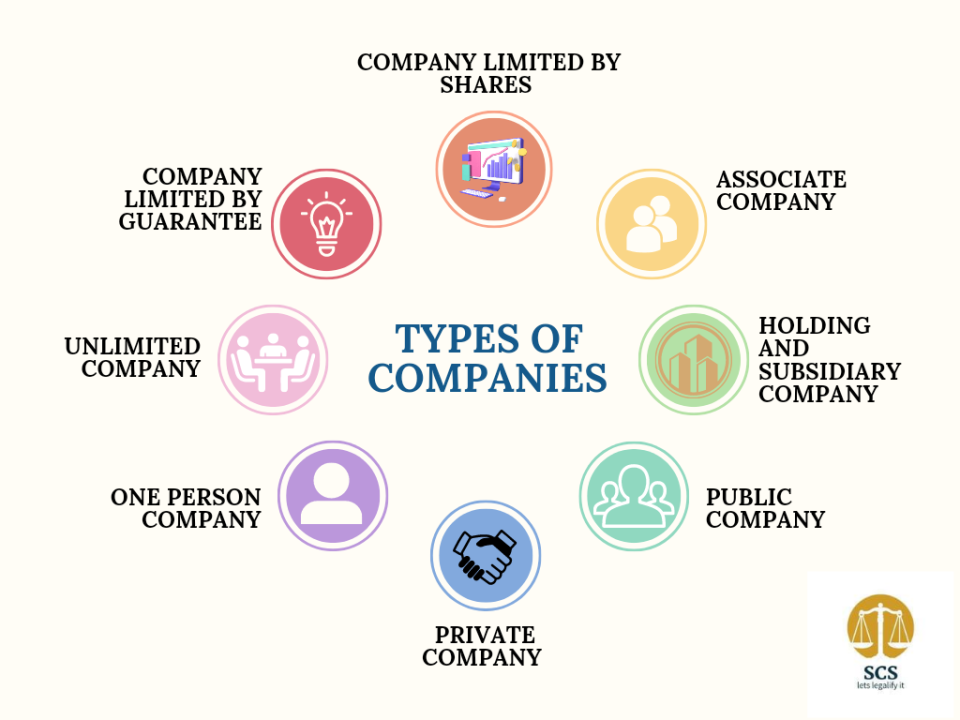
Company Types and Legal Structures in Iraq Iraq recognizes several forms of corporate and commercial entities, each with distinct ownership, capital, and regulatory requirements. Foreign and domestic investors may establish companies through the Companies Registration Department at the Ministry of Trade, or through investment structures under the National Investment Commission. Selecting the appropriate legal structure depends on sector, capital needs, foreign ownership strategy, taxation, and regulatory licensing requirements. Main Legal Structures Limited Liability Companies (LLCs) Private and Public Joint-Stock Companies (JSCs) Branches of Foreign Companies Representative Offices Investment Project Companies Partnerships and Sole Proprietorships (limited applicability for foreigners) Regulatory Authorities Ministry of Trade – Companies Registration Department National Investment Commission (where applicable) Iraqi Securities Commission / ISX (for JSCs) How Etihad Can Assist Etihad provides legal and regulatory advisory services to banks, financial institutions, and businesses, supporting compliance with applicable laws, regulations, and regulatory guidance issued by any competent authorities.
Dispute Resolution in Agency

Dispute Resolution in Agency Disputes between advertising agencies and clients can stem from scope disagreements, unpaid fees, performance expectations, campaign results, IP ownership issues, or regulatory penalties. Clear contracting reduces disputes, but when conflicts arise, structured resolution mechanisms are necessary. Common Dispute Areas Ownership of creative materials Usage rights for campaign assets Late or non-payment of fees Campaign performance expectations Dispute Resolution Mechanisms Negotiation and settlement Contractually-agreed mediation or arbitration Litigation before Iraqi courts How Etihad Can Assist Etihad provides legal and regulatory advisory services to banks, financial institutions, and businesses, supporting compliance with applicable laws, regulations, and regulatory guidance issued by any competent authorities.
Talent & Influencer Contracts for Advertising in Iraq

Talent & Influencer Contracts for Advertising Advertising campaigns in Iraq increasingly rely on influencers, actors, models, brand ambassadors, and public figures to promote products and services. As the market expands, brands must correctly structure contracts to define usage rights, payment and deliverables, exclusivity arrangements, endorsement rules, and advertising compliance requirements. Clear contracting protects both the brand and the talent, reduces legal exposure, and ensures that campaigns respect Iraqi regulatory expectations, particularly with respect to consumer protection, transparency, and misleading marketing claims. With the rise of digital marketing and influencer advertising, talent engagements now extend beyond traditional TV and billboard campaigns to social media platforms, livestreaming, events, and paid collaborations. This makes contractual clarity essential for safeguarding brand reputation, intellectual property, and commercial rights. Contractual Elements Talent & influencer contracts generally address: Scope of work and deliverables (posts, appearances, content) Compensation and payment terms Usage rights, territories & duration Exclusivity, conflicts & competitive restrictions Disclosure & labeling obligations for sponsored content Morals & conduct clauses to protect brand reputation Content approval processes and brand guidelines Regulatory Considerations in Iraq While Iraq does not yet have a codified influencer advertising regime like some GCC jurisdictions, brands and talent must still comply with broader legal and regulatory frameworks to avoid misleading advertising or unfair commercial practices. Key considerations include: Sponsored content disclosure: Ensuring viewers understand when content is paid or sponsored Sector-specific claim restrictions: Especially relevant in health, cosmetics, telecom, financial, and consumer products Likeness & IP usage clarity: Establishing rights related to image, voice, likeness, and derivative content Consumer protection compliance: Preventing misleading claims, fake endorsements, or unsubstantiated representations Digital platform compliance: Aligning campaigns with global platform policies (Meta, TikTok, YouTube, etc.) As the Iraqi market evolves, regulators may adopt more explicit frameworks similar to UAE & KSA influencer advertising models, making contractual transparency increasingly important. Why Proper Structuring Matters Strong influencer and talent contracts help: Prevent disputes and ambiguous expectations Protect brand integrity and compliance posture Reduce legal exposure under consumer and advertising laws Safeguard intellectual property and content rights Clarify revenue models and performance metrics Ensure proper usage of name, likeness, voice, and persona How Etihad Can Assist Etihad Law supports brands, agencies, media companies, and talent with: Drafting & reviewing influencer and talent agreements Structuring payment & compensation models Advising on branding, usage & content rights Compliance with advertising & consumer protection rules in Iraq Dispute prevention & negotiation support Advisory for cross-border influencer campaigns