
Letters of Credit (LCs)

Letters of Credit (LCs) Letters of Credit are the main mechanism for settling cross-border trade payments in Iraq, particularly for importing machinery, materials, and industrial goods. LCs offer assurance to foreign exporters that they will receive payment once contractual and shipping conditions are met. Because Iraqi trade financing involves regulatory, currency, and sanctions considerations, LCs remain essential to reduce counterparty risk and ensure the legal enforceability of payment obligations. Within Iraq, LCs are frequently used in supply contracts within oilfield services, infrastructure procurement, and development projects involving foreign suppliers. Common scenarios requiring LCs: Supply contract/proforma invoice Commercial invoice Trade licenses and permits Packing list / shipping documentation Bank application forms KYC & AML documentation Documentation required from the applicant: Contract/tender documents Corporate licenses & registration documents Financial statements or credit profile Indemnity agreements & bank forms Collateral or security (if required by bank) KYC & AML documentation CBI compliance expectations Verify legitimacy of the underlying transaction Apply AML/CFT and sanctions screening Assess the importer’s creditworthiness Review trade documentation for discrepancies Apply foreign currency allocation rules where relevant Maintain records and reporting as per regulatory guidance How Etihad Can Assist Etihad provides legal and regulatory advisory services to banks, financial institutions, and businesses, supporting compliance with applicable laws, regulations, and regulatory guidance issued by any competent authorities.
Future of Digital Payments in Iraq

Future of Digital Payments in Iraq Iraq’s digital payment market is in a growth phase with increasing adoption by consumers, merchants, and government institutions. Financial inclusion, smartphone penetration, and regulatory modernization are reshaping the payment landscape and attracting interest from regional and international players. Growth Drivers Include Digital government initiatives Merchant and retail adoption Mobile wallet usage Infrastructure and telecom expansion Banking interoperability improvements Emerging Opportunities Embedded finance and digital lending Buy-Now-Pay-Later (BNPL) models ESG-aligned financial services Open banking and APIs (future potential) Regulatory Direction Encourage digital payments Strengthen AML and IT controls Expand consumer protection frameworks How Etihad Can Assist Etihad provides legal and regulatory advisory services to banks, financial institutions, and businesses, supporting compliance with applicable laws, regulations, and regulatory guidance issued by any competent authorities.
License Requirements for Telecom Operators and Service Providers

License Requirements for Telecom Operators and Service Providers Telecom operators and service providers must obtain licenses from the CMC before offering telecommunications services in Iraq. Licensing may apply to mobile operators, fixed-line operators, infrastructure providers, wholesale carriers, or specialized service providers. Licensing ensures service quality, network reliability, lawful use of spectrum, and compliance with national regulatory goals. License Categories Mobile network operator licenses Fixed-line and broadband licenses Infrastructure sharing and tower licenses Virtual network or resale licenses Carrier and wholesale licenses Requirements for Applicants Corporate registration and ownership disclosures Technical and network deployment plans Financial capacity and investment commitments Service coverage commitments Consumer protection procedures CMC Compliance Provide reliable and continuous service Comply with spectrum usage conditions Maintain infrastructure security and resilience Submit regulatory reports and audits Adhere to consumer protection and QoS standards How Etihad Can Assist Etihad provides legal and regulatory advisory services to banks, financial institutions, and businesses, supporting compliance with applicable laws, regulations, and regulatory guidance issued by any competent authorities.
Overview of the Telecommunications & Media Regulatory Landscape in Iraq

Overview of the Telecommunications & Media Regulatory Landscape in Iraq The telecommunications and media sectors in Iraq are supervised by the Communications and Media Commission (CMC), which regulates licensing, spectrum usage, broadcasting content, digital platforms, and consumer protection. The sector includes mobile operators, internet service providers (ISPs), satellite broadcasters, television and radio companies, OTT platforms, and digital content providers. Regulatory focus has expanded to include cybersecurity, data protection, and infrastructure development as Iraq modernizes its digital ecosystem. Regulatory Components Licensing and registration of operators Spectrum management and allocation Network and infrastructure oversight Broadcasting and content regulation Consumer protection and service quality Compliance and enforcement measures How Etihad Can Assist Etihad provides legal and regulatory advisory services to banks, financial institutions, and businesses, supporting compliance with applicable laws, regulations, and regulatory guidance issued by any competent authorities.
Dispute Resolution & Chargeback Procedures

Dispute Resolution & Chargeback Procedures Digital payments may involve transaction disputes due to processing errors, fraud, non-delivery of goods, or merchant issues. EPSPs and merchant acquirers must establish structured dispute resolution and chargeback procedures to safeguard consumers, protect merchants, and maintain market trust. Dispute handling is also a supervisory requirement under consumer protection mandates. Dispute Scenarios Unauthorized transactions Incorrect transaction amounts Non-delivery or defective goods/services Merchant refund disputes Processing or settlement errors Chargeback & Resolution Requirements Defined timelines for dispute submission and processing Documentation requirements for claim validity Notice mechanisms for merchants and customers Final resolution and remediation processes CBI compliance Maintain written dispute and chargeback policies Provide accessible customer support channels Report patterns of disputes and complaints Track resolution metrics for supervisory review How Etihad Can Assist Etihad provides legal and regulatory advisory services to banks, financial institutions, and businesses, supporting compliance with applicable laws, regulations, and regulatory guidance issued by any competent authorities.
Letters of Guarantee (LGs)
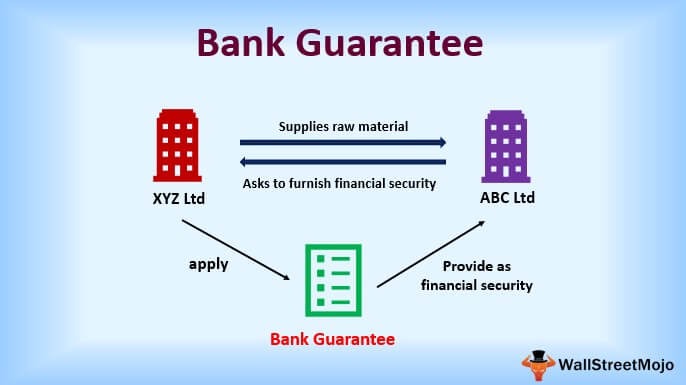
Letters of Guarantee (LGs) Letters of Guarantee are widely used instruments in Iraq’s commercial, construction, oil & gas, and government procurement markets. They enable project owners, government entities, and contracting companies to mitigate counterparty performance and payment risks. In practice, no major project in Iraq proceeds without LGs, and most tenders (especially public sector) explicitly mandate their submission as part of the bid or execution phase. For contractors or suppliers, securing an LG from their bank is a prerequisite to participate in tenders, obtain advance payments, or assure contractual performance. Common situations where LGs are required: Bid participation (Bid Bond) Project execution (Performance Bond) Advance payment protection Financial guarantee obligations Documentation typically required from the applicant Contract/tender documents Corporate licenses & registration documents Financial statements or credit profile Indemnity agreements & bank forms Collateral or security (if required by bank) KYC & AML documentation CBI compliance expectations Assess commercial viability of the underlying contract Perform credit risk analysis on the applicant Secure adequate collateral or counter-indemnity Monitor exposure as off-balance sheet commitments Apply AML/CFT screening to prevent misuse How Etihad Can Assist Etihad provides legal and regulatory advisory services to banks, financial institutions, and businesses, supporting compliance with applicable laws, regulations, and regulatory guidance issued by any competent authorities.
Licensing Requirements for Electronic Payment Service Providers (EPSPs)
License Requirements for Electronic Payment Service Providers (EPSPs) Electronic Payment Service Providers (EPSPs) must obtain a license from the Central Bank of Iraq before launching operations. The licensing framework ensures that providers possess sufficient capital, governance, risk controls, and technical infrastructure to support digital payment services securely and reliably. This requirement applies to both local investors and foreign technology or fintech companies seeking entry into the Iraqi payment market. License stages Initial application submission Evaluation of business model and ownership structure Review of technical systems and IT controls Capital and financial capacity assessment Issuance of preliminary approval Final authorization and commercial launch Documentation required from applicants: Corporate registration documents Shareholder disclosures and ownership chart Capital and source-of-funds proofs Technical architecture and IT infrastructure documents AML/CFT compliance policies Business and operational plans Disaster recovery and cybersecurity plans CBI license Meet minimum capital requirements Disclose ownership and controlling interests Demonstrate technical and cybersecurity capability Establish AML/KYC and compliance frameworks Maintain fit & proper management and Board oversight Undergo supervisory inspection before launch How Etihad Can Assist Etihad provides legal and regulatory advisory services to banks, financial institutions, and businesses, supporting compliance with applicable laws, regulations, and regulatory guidance issued by any competent authorities.
Classification of Foreign Exchange Companies in Iraq

Classification of Foreign Exchange Companies in Iraq The Central Bank of Iraq classifies FX companies into categories based on their authorized activities, operational scale, and compliance standards. Classification determines what services the company may perform, required capital levels, reporting obligations, and supervisory intensity. For investors, correct classification is critical to ensure their intended business model aligns with regulatory permissions. Typical classification factors include: Capital amount and financial strength Nature of services offered (exchange only vs. remittance vs. multi-service) Geographic outreach and number of branches Compliance and internal control maturity Technology and operational systems Documentation required for classification or reclassification: Financial statements Capital and reserve documentation Organizational structure Compliance and AML frameworks Operating policies and procedures CBI compliance expectations Maintain classification requirements on an ongoing basis Upgrade compliance controls when expanding services Report structural changes to CBI Undergo inspection and performance reviews Maintain capital adequacy at the required level How Etihad Can Assist Etihad provides legal and regulatory advisory services to banks, financial institutions, and businesses, supporting compliance with applicable laws, regulations, and regulatory guidance issued by any competent authorities.
Settlement Models & Fund Flow Structures
Settlement Models & Fund Flow Structures Settlement models determine how funds move between consumers, merchants, EPSPs, and banks. Proper settlement design protects customer funds, reduces settlement risk, and ensures transparency for regulators. In Iraq, the CBI reviews settlement arrangements before authorizing service launch to ensure operational integrity and financial stability Settlement Components Settlement bank relationships Clearing and payout cycles Wallet top-up and redemption mechanics Chargeback and dispute flows Reconciliation and reporting processes Operational Considerations Timing of merchant payouts Handling of failed or reversed transactions Segregation of customer funds from corporate funds Safeguarding mechanisms for stored value accounts CBI compliance Submit documentation on settlement design Demonstrate risk mitigation for fund flows Maintain escrow or safeguarding arrangements if required How Etihad Can Assist Etihad provides legal and regulatory advisory services to banks, financial institutions, and businesses, supporting compliance with applicable laws, regulations, and regulatory guidance issued by any competent authorities.
Mobile Wallets & Stored Value Accounts
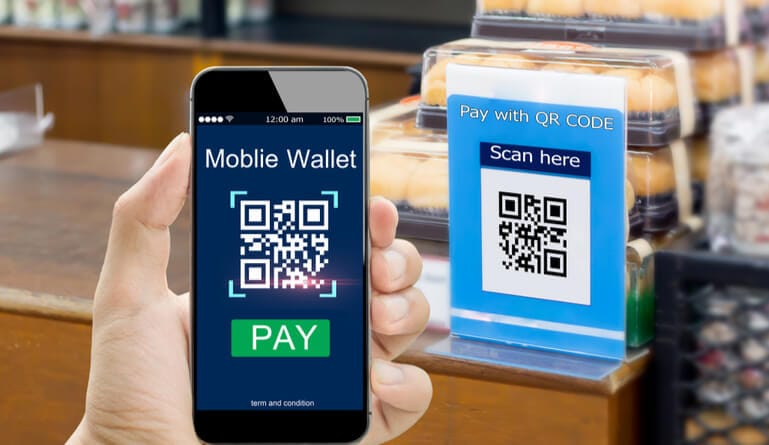
Mobile Wallets & Stored Value Accounts Mobile wallets and stored value products allow users to hold, transfer, and spend funds electronically without relying on traditional bank accounts. These services have become an important tool for financial inclusion and digital payment adoption in Iraq. Stored value models require safeguards for customer balances, cybersecurity controls, and compliance with AML standards due to the risks associated with digital cash equivalents. Service Features Electronic value storage Peer-to-peer transfers Merchant payments Bill and utility payments Government disbursements (where applicable) Operational Requirements Secure wallet issuance and account setup Transaction and balance limits to manage risk Integration with settlement channels for wallet funds CBI compliance Protect stored balances and customer funds Enforce transaction and wallet limits Maintain KYC for wallet users Monitor transactions for unusual activity Ensure redemption and refund mechanisms How Etihad Can Assist Etihad provides legal and regulatory advisory services to banks, financial institutions, and businesses, supporting compliance with applicable laws, regulations, and regulatory guidance issued by any competent authorities.