Branch Setup for Foreign Companies
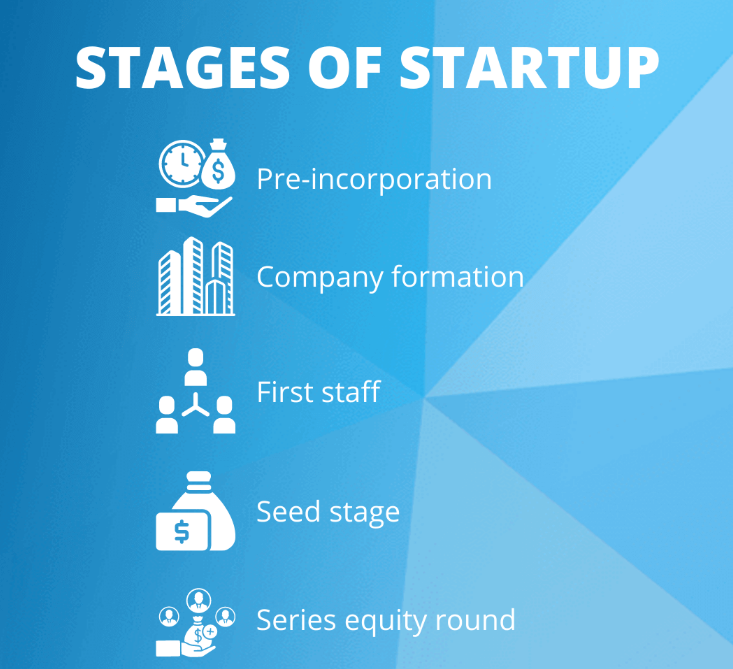
Branch and Representative Office Setup for Foreign Companies Foreign companies may enter Iraq without forming a new local entity by establishing a Branch or Representative Office. A Branch can perform commercial activities and execute contracts, while a Representative Office is limited to non-commercial activities such as research, coordination, and promotion. Differences Between Branch & Representative Office Branch: may invoice, perform contracts, and generate revenue Representative Office: cannot conduct commercial transactions Reasons to Establish a Branch Direct execution of contracts in Iraq Delivery of services or projects Supporting long-term operational presence Market assessment and business development Coordination with clients or government entities Preparing for future commercial expansion How Etihad Can Assist Etihad provides legal and regulatory advisory services to banks, financial institutions, and businesses, supporting compliance with applicable laws, regulations, and regulatory guidance issued by any competent authorities.
Joint-Stock Company (JSC) Establishment and Governance Requirements

Joint-Stock Company Establishment and Governance Requirements Joint-Stock Companies (JSCs) are suitable for larger ventures requiring capital markets access, shareholder dispersion, or participation in regulated sectors such as banking, insurance, telecom, and projects involving public tendering. JSCs may be private or public and are subject to enhanced governance, disclosure, and board requirements. Formation Requirements Minimum capital levels depending on sector Founding shareholder requirements Board of Directors appointments Governance and disclosure obligations Registration with the Ministry of Trade Potential regulatory licensing (sector-specific) Regulatory Follow-Up Requirements Ministry of Trade Iraqi Securities Commission (ISC) for share issuance approvals Iraq Stock Exchange (ISX) for listing procedures (if applicable) Sector regulators (CBI for banks, CMC for telecom, etc.) How Etihad Can Assist Etihad provides legal and regulatory advisory services to banks, financial institutions, and businesses, supporting compliance with applicable laws, regulations, and regulatory guidance issued by any competent authorities.
Limited Liability Company (LLC) Formation Requirements in Iraq

Limited Liability Company (LLC) Formation Requirements in Iraq The Limited Liability Company (LLC) is the most common corporate form used by local and foreign investors in Iraq due to its flexible ownership structure and broad commercial eligibility. LLCs are registered with the Companies Registration Department under the Ministry of Trade and can engage in most commercial, industrial, and service activities subject to sector-specific licensing. Formation Requirements Shareholder information and capital contributions Articles and Memorandum of Association Registered address and office details Appointment of management Payment of registration fees and publication requirements Regulatory Follow-Up Requirements Register with the Tax Authority for Tax ID Register with Social Security as an employer (if employees hired) Obtain sector-specific licenses where required Join a Chamber of Commerce for commercial activities How Etihad Can Assist Etihad provides legal and regulatory advisory services to banks, financial institutions, and businesses, supporting compliance with applicable laws, regulations, and regulatory guidance issued by any competent authorities.
Company Types and Legal Structures in Iraq
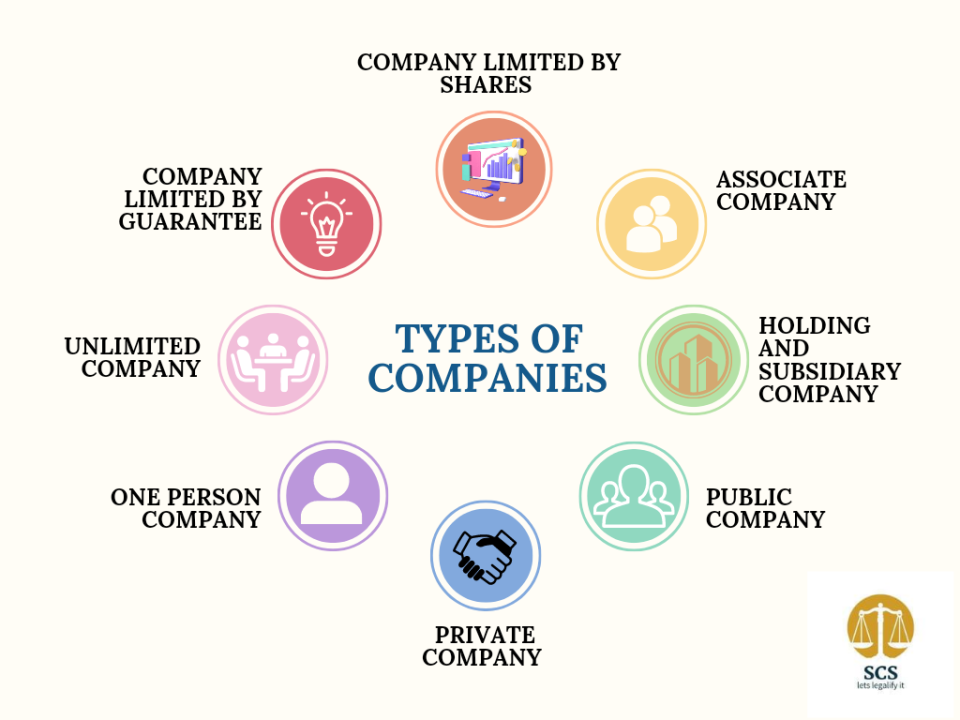
Company Types and Legal Structures in Iraq Iraq recognizes several forms of corporate and commercial entities, each with distinct ownership, capital, and regulatory requirements. Foreign and domestic investors may establish companies through the Companies Registration Department at the Ministry of Trade, or through investment structures under the National Investment Commission. Selecting the appropriate legal structure depends on sector, capital needs, foreign ownership strategy, taxation, and regulatory licensing requirements. Main Legal Structures Limited Liability Companies (LLCs) Private and Public Joint-Stock Companies (JSCs) Branches of Foreign Companies Representative Offices Investment Project Companies Partnerships and Sole Proprietorships (limited applicability for foreigners) Regulatory Authorities Ministry of Trade – Companies Registration Department National Investment Commission (where applicable) Iraqi Securities Commission / ISX (for JSCs) How Etihad Can Assist Etihad provides legal and regulatory advisory services to banks, financial institutions, and businesses, supporting compliance with applicable laws, regulations, and regulatory guidance issued by any competent authorities.
Dispute Resolution in Agency

Dispute Resolution in Agency Disputes between advertising agencies and clients can stem from scope disagreements, unpaid fees, performance expectations, campaign results, IP ownership issues, or regulatory penalties. Clear contracting reduces disputes, but when conflicts arise, structured resolution mechanisms are necessary. Common Dispute Areas Ownership of creative materials Usage rights for campaign assets Late or non-payment of fees Campaign performance expectations Dispute Resolution Mechanisms Negotiation and settlement Contractually-agreed mediation or arbitration Litigation before Iraqi courts How Etihad Can Assist Etihad provides legal and regulatory advisory services to banks, financial institutions, and businesses, supporting compliance with applicable laws, regulations, and regulatory guidance issued by any competent authorities.
Talent & Influencer Contracts for Advertising in Iraq

Talent & Influencer Contracts for Advertising Advertising campaigns in Iraq increasingly rely on influencers, actors, models, brand ambassadors, and public figures to promote products and services. As the market expands, brands must correctly structure contracts to define usage rights, payment and deliverables, exclusivity arrangements, endorsement rules, and advertising compliance requirements. Clear contracting protects both the brand and the talent, reduces legal exposure, and ensures that campaigns respect Iraqi regulatory expectations, particularly with respect to consumer protection, transparency, and misleading marketing claims. With the rise of digital marketing and influencer advertising, talent engagements now extend beyond traditional TV and billboard campaigns to social media platforms, livestreaming, events, and paid collaborations. This makes contractual clarity essential for safeguarding brand reputation, intellectual property, and commercial rights. Contractual Elements Talent & influencer contracts generally address: Scope of work and deliverables (posts, appearances, content) Compensation and payment terms Usage rights, territories & duration Exclusivity, conflicts & competitive restrictions Disclosure & labeling obligations for sponsored content Morals & conduct clauses to protect brand reputation Content approval processes and brand guidelines Regulatory Considerations in Iraq While Iraq does not yet have a codified influencer advertising regime like some GCC jurisdictions, brands and talent must still comply with broader legal and regulatory frameworks to avoid misleading advertising or unfair commercial practices. Key considerations include: Sponsored content disclosure: Ensuring viewers understand when content is paid or sponsored Sector-specific claim restrictions: Especially relevant in health, cosmetics, telecom, financial, and consumer products Likeness & IP usage clarity: Establishing rights related to image, voice, likeness, and derivative content Consumer protection compliance: Preventing misleading claims, fake endorsements, or unsubstantiated representations Digital platform compliance: Aligning campaigns with global platform policies (Meta, TikTok, YouTube, etc.) As the Iraqi market evolves, regulators may adopt more explicit frameworks similar to UAE & KSA influencer advertising models, making contractual transparency increasingly important. Why Proper Structuring Matters Strong influencer and talent contracts help: Prevent disputes and ambiguous expectations Protect brand integrity and compliance posture Reduce legal exposure under consumer and advertising laws Safeguard intellectual property and content rights Clarify revenue models and performance metrics Ensure proper usage of name, likeness, voice, and persona How Etihad Can Assist Etihad Law supports brands, agencies, media companies, and talent with: Drafting & reviewing influencer and talent agreements Structuring payment & compensation models Advising on branding, usage & content rights Compliance with advertising & consumer protection rules in Iraq Dispute prevention & negotiation support Advisory for cross-border influencer campaigns
Consumer Protection Rules

Consumer Protection Rules In Iraq, consumer protection rules apply to advertising, marketing, and promotional campaigns to prevent misleading, deceptive, or unfair commercial practices. Marketing claims involving pricing, performance, endorsements, product characteristics, warranties, health benefits, and competitive comparisons must be truthful, evidence-based, and clearly communicated to consumers. Advertisers and agencies may be held responsible for inaccurate or misleading claims, and authorities may require campaign modifications, impose administrative penalties, or suspend campaigns that fail to comply with applicable consumer protection standards. With the growth of digital marketing, influencer advertising, sponsored content, and online promotions in Iraq, compliance with advertising regulations has become increasingly relevant for brands, agencies, and platforms. Clear disclosures and transparent communication reduce legal exposure and protect both consumers and brands from compliance risks. Compliance Elements for Advertising & Marketing Campaigns Campaigns should ensure: Truthful representation of products and services Transparent pricing and promotional terms Avoidance of exaggerated or unsupported claims Clear disclaimers where required Accurate substantiation for performance or benefit claims Regulatory Considerations in Iraq Advertisers operating in Iraq should implement compliance controls such as: Validating accuracy of client claims before publication Avoiding omissions that could mislead consumers Maintaining documentation supporting factual claims Cooperating with complaint handling and regulatory inquiries Why Compliance Matters for Brands & Agencies Strong compliance frameworks support: Reduced risk of regulatory penalties Fewer disputes with consumers or competitors Enhanced brand credibility and trust Safer use of influencers and sponsored content Alignment with sector-specific regulations (e.g., food, cosmetics, telecom, finance) How Etihad Can Assist Etihad Law advises brands, advertising agencies, media firms, and digital platforms in Iraq on: Advertising compliance & regulatory reviews Consumer protection advisory Claim substantiation & documentation assessment Sponsored content & influencer compliance Complaint handling & dispute management
Foreign Advertising Agencies Working in Iraq
Foreign Advertising Agencies Working in Iraq Foreign advertising and media agencies entering the Iraqi market through direct operations, joint ventures, partnerships, or project-based engagements must navigate the local legal environment governing corporate setup, tax compliance, content approvals, production logistics, and advertising regulatory standards. Operating without proper legal alignment exposes agencies to contractual, tax, and regulatory risks that can affect project execution and revenue collection. Iraq’s growing advertising ecosystem which includes digital marketing, influencer campaigns, broadcast media, OOH, and brand activations makes legal clarity essential for agencies supporting multinational brands, regional campaigns, and cross-border service delivery. Beyond creative and production considerations, agencies must assess how Iraqi laws apply to invoicing, profit repatriation, IP usage, and compliance with advertising content rules. Market Entry Considerations for Foreign Agencies Foreign agencies should evaluate: Legal entity setup or local representation Tax registration and invoicing procedures Cross-border service compliance requirements Content and media regulatory alignment Contracting structures and jurisdiction clauses IP licensing and brand usage mechanisms Regulatory Compliance in Iraq Key compliance practices include: Partnering with local entities for execution & campaign deployment Complying with local content restrictions & sector-specific rules Documenting IP, brand usage & content rights for localized campaigns Handling talent, production & location contracts via Iraqi entities How Etihad Can Assist Etihad Law supports foreign advertising agencies with: Market entry structuring & corporate setup Tax & invoicing compliance for cross-border services Advertising & media regulatory advisory IP, licensing & content usage documentation Production, talent & influencer contracting Dispute prevention & contractual enforcement
Agency Obligations in Regulated Sectors

Agency Obligations in Regulated Sectors Advertising in regulated sectors such as financial services, healthcare, pharmaceuticals, education, and telecommunications may require additional approvals or compliance checks. Misrepresentation or non-compliant claims can trigger regulatory penalties or consumer protection actions. Regulated Advertising Categories Banking and investment products Insurance and financial promotions Medical services and pharmaceutical products Telecom and digital plans Education and training institutions Regulatory Verify content accuracy and claims Secure necessary approvals when required Avoid misleading or deceptive promotional practices Disclose risks for certain product categories How Etihad Can Assist Etihad provides legal and regulatory advisory services to banks, financial institutions, and businesses, supporting compliance with applicable laws, regulations, and regulatory guidance issued by any competent authorities.
Intellectual Property Rights (IP) in Creative Advertising Work

Intellectual Property Rights (IP) in Creative Advertising Work Advertising campaigns involve creative materials such as designs, images, scripts, videos, slogans, and brand assets. IP ownership must be clearly defined to avoid disputes between agencies, clients, and third-party contributors such as photographers, designers, influencers, or production houses. IP Considerations Copyright ownership and assignment Licensing and usage rights Duration and territorial rights Third-party asset clearance (music, footage, artwork) Talent appearance and likeness rights Compliance Clarify ownership in contracts Secure rights from third-party contributors Avoid unlicensed use of protected content Document usage rights for audit or dispute resolution How Etihad Can Assist Etihad provides legal and regulatory advisory services to banks, financial institutions, and businesses, supporting compliance with applicable laws, regulations, and regulatory guidance issued by any competent authorities.